Gift Card Arbitrage Explained: Why a $100 Card Isn’t Really Worth $100 in Cash
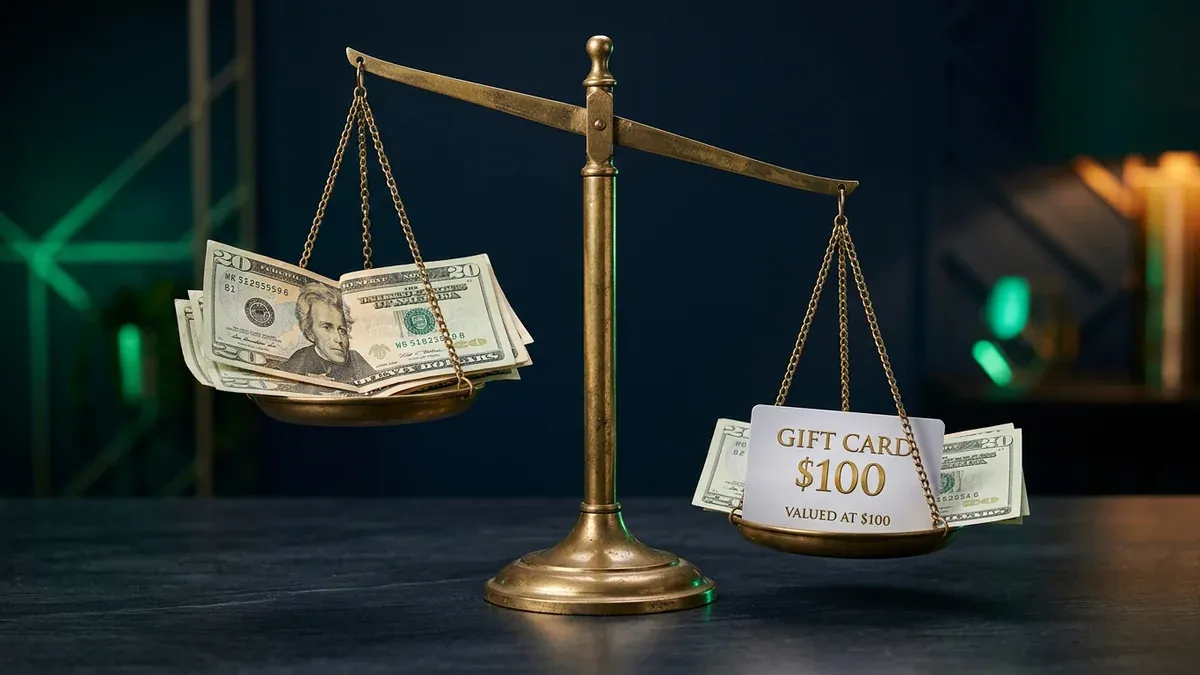
Have you ever received a $100 gift card and assumed you could exchange it for the same amount in cash? It sounds reasonable because the card clearly displays a $100 balance. However, gift card trading works differently from ordinary currency exchange. The difference comes from a practice known as gift card arbitrage, where traders obtain gift cards in one market and resell or redeem them in another market to earn a profit. The card's printed value represents its purchasing power within a particular brand's ecosystem, not the amount a buyer must pay you in cash.
This creates three different values that you should understand when trading gift cards. Face value is the balance printed on your card. Market value is what another buyer is currently willing to pay for it. Cash value is the actual amount you receive after completing a trade. These figures are not always identical. Understanding this distinction helps you set realistic expectations, evaluate available offers, and make better decisions when selling your Amazon, iTunes, Steam, Google Play, or other gift cards in Nigeria.
Where Does the Missing Value of a $100 Gift Card Go?
When you sell a $100 gift card, you may receive less than $100 in cash, even if the card has its full balance. Naturally, you might wonder where the remaining value goes. The difference usually comes from the costs, risks, and profit margins involved in gift card trading. Buyers need to recover their investment, find customers for the cards, and account for market changes. Several factors contribute to this price difference, and understanding them will help you recognize why gift card buyers cannot always offer the full printed balance.
The Buyer's Profit Margin
Gift card buyers operate businesses, so they need to make money from the cards they purchase. Imagine a trader buys your $100 gift card for $85 and later resells it for $95. The $10 difference represents the trader's gross margin before other expenses. If the trader pays you the full $100, there is no room to earn a profit from that resale. This is one reason buyers offer less than the card's face value. Their offers depend on how much they expect to recover from the next buyer and whether the transaction makes financial sense.
Resale and Operating Expenses
Buying and reselling gift cards involves expenses that sellers may not immediately notice. Traders may have to manage payment processing, platform maintenance, customer support, verification, and other operational costs. They also need to maintain enough funds to purchase cards from different sellers and complete transactions. These expenses influence how much they can offer when buying your gift card. A trader must consider the overall cost of handling a transaction rather than looking only at the card's printed balance. As a result, operating expenses can contribute to the difference between face value and cash value.
Demand and Supply in the Resale Market
A gift card's resale value depends heavily on how many people want to buy it. If a particular brand attracts strong demand, traders may find it easier to resell those cards and offer more competitive rates. However, when too many sellers submit the same type of card and buyers have limited resale opportunities, offers may decrease. For example, Amazon gift cards and Steam gift cards serve different customer groups, so their demand patterns are not identical. This difference affects their trading rates, even when both cards carry the same $100 balance.
Currency Conversion and International Market Conditions
Currency conversion also influences the Naira amount you receive when selling a dollar-denominated gift card. Traders often operate across different markets, where the value of currencies and the availability of international buyers can affect their potential earnings. However, the dollar-to-naira exchange rate is only one part of the calculation. International resale prices, payment costs, and the currencies used by buyers can also influence the final offer. Therefore, even if the dollar remains strong against the Naira, a gift card may still attract a lower trading rate because its resale market has changed.
Regional Restrictions and Redemption Limitations
Gift cards are not always accepted worldwide. Many brands issue cards for specific countries or regions, which can limit where buyers can redeem or resell them. For instance, a US-region gift card may have different resale opportunities from a UK-region card. Buyers must identify these restrictions before purchasing a card because they affect the number of potential customers. A card with fewer redemption options may take longer to resell or attract a lower offer. This is why the country and region of your gift card matter when determining its actual cash value.
Verification Risks and Potential Losses
Gift card traders also face the risk of receiving invalid, previously redeemed, or incorrectly submitted cards. Even a card that looks genuine may have a problem with its balance or redemption details. If a buyer pays for a card before completing proper verification, the transaction could result in a financial loss. Traders account for these risks when deciding their buying rates. This does not mean every seller should receive a lower offer because of suspected problems. It means buyers need reliable verification procedures to confirm that the card is valid and carries the stated balance before completing a transaction.
How Gift Card Traders Calculate What Your Card Is Actually Worth
When a gift card buyer makes you an offer, the amount usually comes from a combination of market rates, resale opportunities, and card-specific details. Traders do not simply look at the dollar balance and convert it into Naira using the current foreign exchange rate. They first consider how much they can recover from the card and what costs or risks are involved in the transaction. As a seller, understanding this calculation helps you recognize why different cards receive different offers and how to estimate your expected payout before completing a trade.
- understanding the gift card resale rate
- why different gift card brands receive different rates
- the role of card type and denomination
- how currency conversion determines your naira payout
- why verification can affect the final offer
- why you should check rates before every transaction
Know the Calculation Before You Sell
Your gift card's actual cash value depends on more than its printed balance. The trading rate, card denomination, brand, format, currency conversion, and successful verification all contribute to the final amount. Once you understand how these elements work together, it becomes easier to evaluate offers without confusing face value with resale value. At GCBUYING, you can check the available rate for your gift card before submitting a transaction. This helps you understand its estimated Naira value and make a more informed selling decision.
Common Mistakes That Make Gift Card Sellers Misunderstand Their Card's Value
Many gift card sellers in Nigeria expect to receive an amount close to the balance printed on their cards. When buyers offer less, they sometimes assume the rate is unfair or that someone is trying to take advantage of them. However, several common misunderstandings can lead to unrealistic expectations. If you want to get a reasonable return from your gift cards, avoid these mistakes when checking rates and choosing where to sell.
- Assuming a $100 card must produce $100 in cash: The printed balance represents purchasing power, not its guaranteed resale price.
- Comparing gift card rates directly with the dollar-to-naira rate: Gift cards have separate resale markets with their own pricing conditions.
- Trusting outdated rate screenshots: A rate shared days or weeks ago may no longer reflect the current market.
- Choosing buyers based only on the highest advertised rate: An attractive offer means little if the actual payout changes after submission or verification.
- Ignoring card region and denomination: US, UK, and other regional cards may have different resale opportunities, even under the same brand.
- Confusing different gift card brands: Amazon, Steam, Apple, and Google Play cards have different customer bases and trading values.
- Sharing card codes before confirming the buyer: Giving away sensitive redemption details without checking the buyer's reliability can put your entire balance at risk.
- Expecting yesterday's rate to remain available: Gift card prices can change with demand, supply, and resale conditions.
Avoiding these mistakes starts with understanding how gift card pricing works. Always check the rate for your exact card, confirm the applicable conditions, and consider the expected payout before submitting your transaction. You should also choose a trading platform that provides clear rate information and a reliable process. GCBUYING allows you to check available rates for supported gift cards before trading, helping you make more informed decisions when converting your digital assets into Naira.
Final Thoughts
A $100 gift card does not automatically translate into $100 worth of cash because its resale value depends on market demand, buyer margins, redemption conditions, currency conversion, and verification requirements. Understanding gift card arbitrage helps you recognize why buyers offer different rates and why two cards with identical balances can have different cash values. Before selling, check your card's brand, region, denomination, and current trading rate rather than relying on its printed balance alone.
At GCBUYING, we make it easier to check available gift card rates and convert your digital assets into Naira. With support for popular brands such as Amazon, Steam, Apple, and Google Play, you can check your estimated payout before submitting a trade. Visit GCBUYING and check your gift card's current rate today.