iTunes Gift Card Rate in Nigeria: Current Naira Value
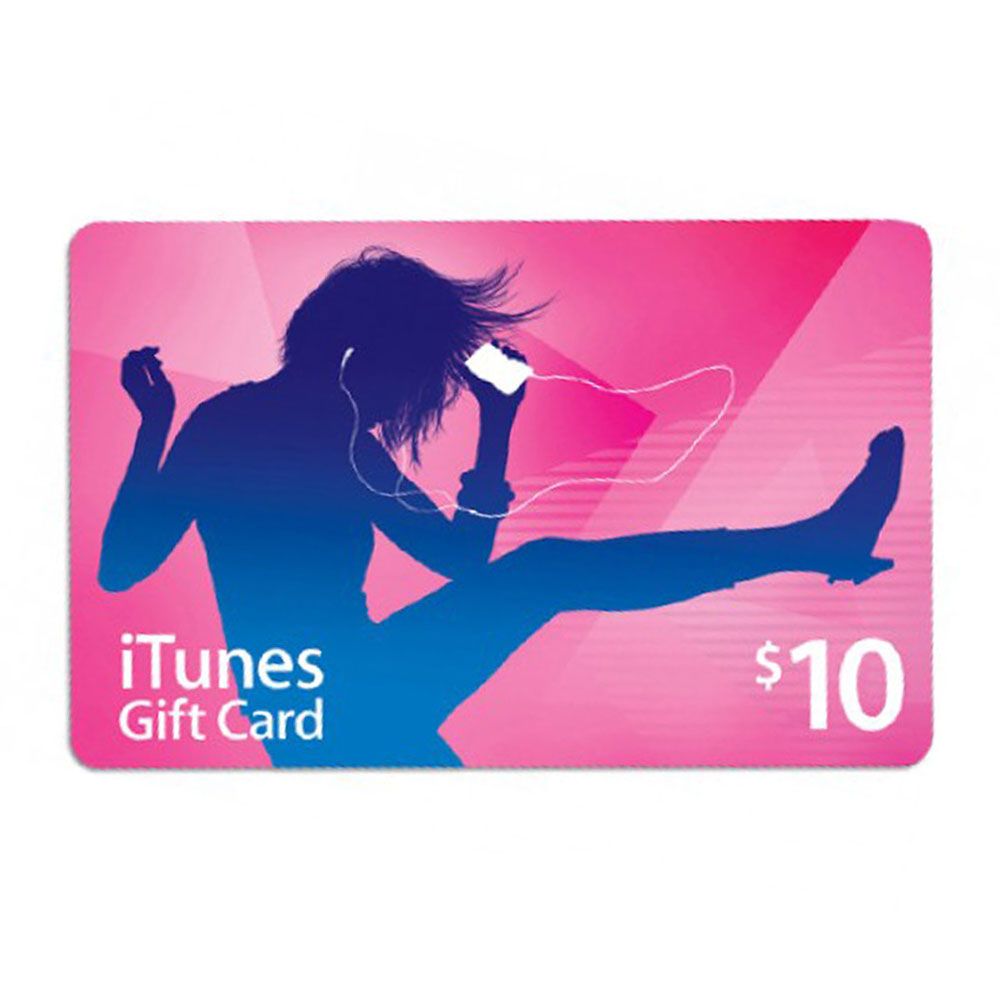
When you search for iTunes gift card rate in Nigeria current Naira value, what you are really trying to find is simple. You want to know how much money you will receive if you sell your card right now. The challenge is that this "current value" is not a fixed number. It shifts based on demand, supply, and how active the market is at the exact moment you trade.
iTunes gift cards remain one of the most traded digital assets in Nigeria. They are popular because they are easy to use globally for music, apps, subscriptions, and Apple services. This consistent demand keeps them valuable, but it also means the rate is always adjusting as buyers and sellers interact in real time. What you see in one hour may not be the same in the next.
In this guide, I will break down what determines the iTunes gift card rate, why it changes frequently, what current Naira value truly means, and how you can get accurate and fair value when you sell through GCBUYING.
What Determines iTunes Gift Card Rate in Nigeria
The iTunes gift card rate in Nigeria is not decided by a single factor. It is shaped by a combination of global demand, local trading activity, and how useful the card is in digital markets. When you understand these elements, the idea of a fixed "current value" becomes easier to interpret. Instead of expecting a constant number, you begin to see the rate as a reflection of ongoing market conditions.
- Global Apple Ecosystem Demand
iTunes cards are closely tied to Apple services, which are widely used around the world. People use them for music, app purchases, subscriptions, and cloud services. When global demand for Apple services increases, the value of iTunes cards tends to rise. When demand slows, rates may soften. This international usage is one of the main reasons iTunes cards remain consistently in circulation.
- Card Region Differences (US, UK, EU)
Not all iTunes cards carry the same value in Nigeria. A US iTunes card often has higher demand compared to UK or EU cards because it is more widely accepted in resale markets. Regional differences affect how easily a card can be converted into Naira value, which directly influences the rate you are offered.
- Denomination Impact on Value
The amount loaded on the card also matters. Smaller denominations like $10 or $25 often move faster in the market because they are easier to resell. Larger cards like $100 or $200 may offer slightly different rates depending on buyer's availability at the time. The value is not just about size but also how quickly it can be traded.
- Resale Demand in Nigeria
Local demand plays a strong role in pricing. If more Nigerian traders are looking for iTunes cards, rates increase. When demand slows, rates adjust downward. This balance between buyers and sellers is one of the most direct influences on the Naira value you receive.
- Platform Liquidity and Buyer Interest
Trading platforms must always balance available stock with buyer requests. When there is strong buyer interest and limited supply, rates improve. When supply is high, rates may adjust downward to encourage sales. This internal balance directly affects what you see as the current rate.
- Risk and Verification Influence
Some cards carry higher verification risk depending on source or format. Platforms factor this into pricing to manage potential losses or delays. Lower-risk cards may receive smoother processing and better stability in rate offers.
The iTunes gift card rate is the result of multiple moving parts working together. Global demand, card region, denomination, local interest, platform liquidity, and verification risk all shape the Naira value you see. On GCBUYING, these factors are reflected in real time so you can understand not just the rate, but the reason behind it before you trade.
Why iTunes Rates Change Frequently
iTunes gift card rates do not stay still for long because the market around them is constantly active. Apple's ecosystem influences global spending patterns, and even small changes in app usage, subscriptions, or digital content releases can affect demand. When more people are buying or redeeming Apple services, iTunes cards become more desirable, which pushes rates upward. When demand slows, the value adjusts accordingly. This movement is not random, but it happens often enough that the "current value" you see can shift within hours.
Another reason for frequent changes is supplying pressure from traders. When many sellers enter the market at the same time, available cards increase, and rates may adjust downward temporarily. At the same time, platforms also respond to buyer activity and competition, which creates constant adjustments throughout the day. This is why checking outdated rates can be misleading, and why live tools on GCBUYING give a more accurate picture of what you will actually receive at the moment you trade.
Understanding "Current Naira Value" of iTunes Gift Cards
The phrase "current Naira value" is often misunderstood as a fixed rate that applies throughout the day. In reality, it is closer to a live reflection of market activity at a specific moment. The value is shaped by real time conditions such as buyer demand, available supply, and how actively iTunes cards are being traded at that point in time. When demand increases, the value can improve slightly. When more sellers enter the market, the rate may adjust downward. This continuous balancing act means the number you see is not permanent but responsive to ongoing trade activity.
Because the market is constantly shifting, even small delays in checking or acting on a rate can lead to differences in payout expectations. A rate that looks accurate in the morning may no longer reflect current conditions by afternoon. This is why many sellers become confused when the amount they expect does not match what they receive later. The gap is not usually due to error but to how quickly the market moves. Understanding this helps you approach trading with more realistic expectations rather than relying on a single fixed figure.
Another important factor is the use of outdated information such as screenshots or previously shared rate lists. On GCBUYING, the current Naira value is displayed in real time, allowing you to make decisions based on updated pricing rather than old data. This ensures that what you see closely matches what you will receive, reducing confusion and helping you trade with greater confidence and clarity.
Best Time to Sell iTunes Gift Cards in Nigeria
Timing plays a noticeable role in how smoothly your iTunes gift card sells, even though rates are not tied to a fixed schedule. The market moves throughout the day based on buyer activity, platform workload, and global digital spending patterns. When you understand these rhythms, you are less likely to rush into a trade at a less favorable moment.
- Daily Demand Cycles
During the day, trading activity rises and falls in cycles. Morning hours are often quieter as fewer buyers are active. As the day progresses, especially into afternoon and evening, demand usually increases. This is when more users are online and platforms experience higher trading volume, which can support more active pricing.
- Midweek Stability
Tuesdays and Wednesdays are often more balanced in terms of market behavior. There is usually less extreme fluctuation compared to weekends or Mondays. This stability can make it easier to get consistent value because the market is not reacting to sudden spikes in activity or backlog from previous days.
- Weekend Fluctuations
Weekends tend to be unpredictable. Some traders are active, while others slow down, depending on personal and business cycles. This can create mixed conditions where rates move more frequently within short periods. It is not necessarily better or worse, just less stable.
- Market Timing vs Urgency
The best time to sell is not only about waiting for ideal conditions. Urgency matters as well. Holding a card for too long in hopes of a better rate can sometimes result in missed opportunities if the market shifts downward. Acting when the rate is fair and available is often more practical.
Timing helps, but it should not delay your decision unnecessarily. On GCBUYING, live rate updates allow you to see current conditions clearly, so you can act when the value aligns with your expectations instead of waiting for uncertain future changes.
Final Thoughts
The iTunes gift card rate in Nigeria is best understood as a moving value rather than a fixed daily price. What you see as "current Naira value" is shaped by demand, supply, card denomination, and real time trading activity. This is why checking outdated rates or relying on screenshots often leads to confusion. The market changes too quickly for static information to remain useful for long.
When you focus on live conditions instead of assumptions, your decisions become more accurate. You begin to see why certain cards sell faster, why rates shift during the day, and why timing matters only when paired with real time information. This approach removes guesswork and gives you a clearer sense of what your card is truly worth at the moment you are ready to sell.
On GCBUYING, you are working with live updated rates that reflect actual market behavior. This means you are not guessing your payout. You see it as it is and act on it with confidence when the timing feels right.