Why Is My Gift Card Worth Less Than the Amount Written on It?
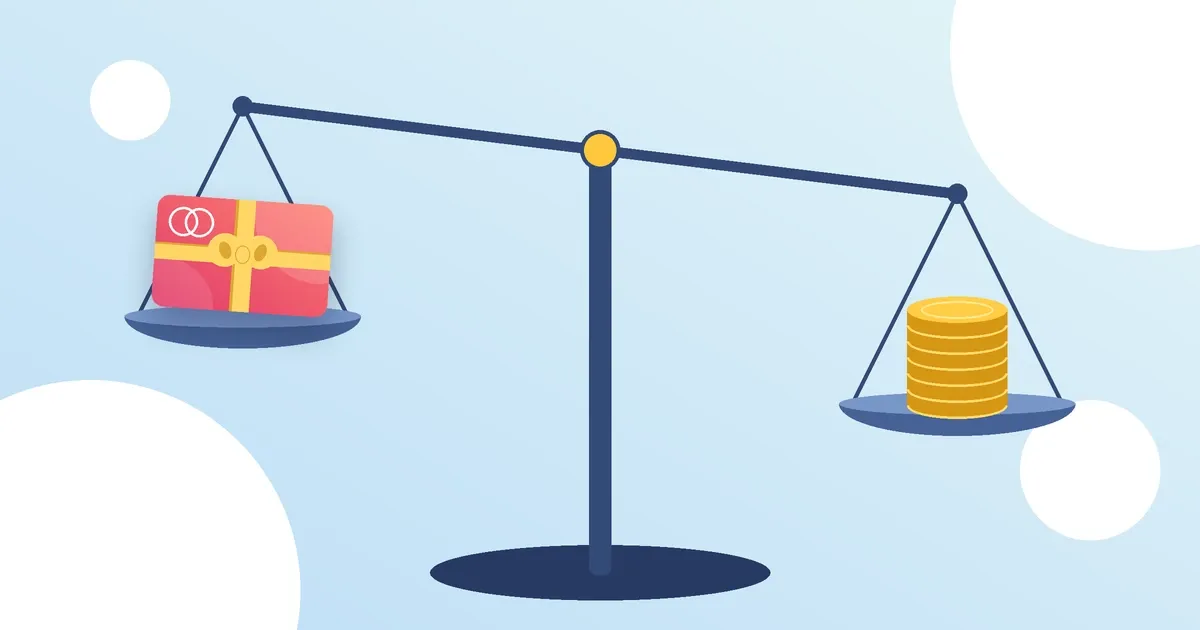
If your gift card says $100 but you are offered less than $100 when you sell it, you may wonder where the missing value went. The answer starts with an important difference: the amount written on your card is its face value, while the amount you can receive when selling it is its trading value. These two amounts do not have to be the same. When you spend the card with the intended retailer, its face value can represent purchasing power. When you trade it for cash, the applicable rate depends on the card and current market conditions.
At GCBUYING, we help you check the applicable value before you submit your card, so you can make your selling decision with clearer information.
Face Value vs. Trading Value: What Is the Difference?
The easiest way to understand your gift card's value is to separate the amount printed on the card from the amount another buyer or trading platform is willing to offer for it.
When you receive a $100 gift card, the $100 is generally its face value. It tells you the amount associated with the card for its intended use. If you use the card to make an eligible purchase with the relevant retailer or service, that amount can be applied according to the retailer's terms.
However, selling the card is a different transaction. You are no longer using the card directly to buy something. Instead, you are exchanging an asset you do not want for another form of value, such as Naira. That exchange uses a trading rate.
1. What the Amount Written on My Card Actually Means
The amount printed or assigned to your gift card tells you its original denomination or value. For example, a card may have a face value of $25, $50, or $100.
That does not mean a gift card buyer must pay you the same amount in cash. Think of it this way: if you have a product worth $100 in one market but want to sell it in another market, the amount someone offers can depend on demand, availability, and other conditions. A gift card works similarly when you trade it instead of spending it.
Your face value is therefore an important starting point, but it is not automatically your cash payout.
2. What Trading Value Means
Trading value is the amount you can receive when you exchange your gift card through a trading platform. It is determined using the applicable rate for your specific card and transaction.
The trading value can be lower than the face value because the person or platform buying the card is taking on the process and risks involved in reselling or using that card. The market also determines what buyers are willing to offer.
3. Why Selling a Gift Card Is Different from Spending It
If you spend a $100 gift card on an eligible purchase, you are using it for its intended purpose. You are not asking someone else to buy the card from you.
When you sell it, the situation changes. You want cash or another payout instead of the goods or services the card was designed to purchase. The buyer or trading platform needs to consider how that card can be used, resold, or converted.
This is why I would never compare the printed amount on my gift card directly with the cash amount I receive from a trade. They represent two different types of value.
Why Can My Gift Card Trade for Less Than Its Face Value?
Once you understand the difference between face value and trading value, the next question becomes more practical: what determines the amount you are offered? There is no single answer because gift cards are not all traded at one universal rate. Two cards with the same face value can have different trading values. Even two cards from the same brand can have different rates depending on their type, currency, region, denomination, and current demand. Here are the key factors effecting card’s price:
1. Demand for the Specific Gift Card
Demand is one of the factors that can influence a gift card's trading value. If a particular card is in strong demand among buyers, its applicable rate may be different from a card that is less sought after. Market demand can change over time. A card that attracts strong interest today may have a different trading value later.
You should therefore check the rate when you are ready to sell rather than relying on a number you saw several days ago.
2. Card Brand and Type
Not every gift card has the same market. A popular brand can have different trading conditions from another brand, and different card types from the same brand can also be treated differently.
For example, GCBUYING accepts a wide range of gift cards, including Amazon, iTunes, Google Play, Steam, Sephora, Vanilla, Nordstrom, and others. Our current selling page provides a rate calculator where you can select your specific card information before trading. This is why choosing the correct card type matters. Do not select an option simply because it shows a rate that looks attractive.
3. Currency and Region
Your gift card's currency and region can also affect its trading value. A gift card issued for one market may not have the same demand or trading conditions as a similar card intended for another market. This is particularly important if you receive gift cards from friends, family, clients, or customers in different countries. Before selling, identify the card's intended market and currency.
If you provide the wrong information, the rate you expected may not apply to your actual card.
4. Denomination
The denomination can matter too. A $25 card is not necessarily traded at exactly the same rate as a $100 card from the same brand. This is another reason to enter your actual card value into the rate calculator rather than estimating your payout from someone else's transaction. The amount written on your card is important information, but the applicable rate is what helps determine your trading value.
5. Card Status and Eligibility
The status of your gift card also matters. A card with a remaining balance and valid information is different from a card that has already been fully redeemed. Before selling, make sure you know:
- The gift card brand
- The card type
- The currency
- The region or marketplace
- The denomination
- The remaining balance
- Whether the card has already been redeemed
- Whether the card meets the platform's trading requirements
At GCBUYING, card information is submitted as part of the trading and verification process. Our current selling page states that card validation happens in real time. Accurate information therefore matters when you want the transaction to be processed correctly.
6. Verification and Risk
There is also a practical reason why a gift card's trading value may not equal its face value. The buyer or platform needs to deal with verification, card eligibility, and the risks associated with accepting and processing gift cards. A card is not simply cash sitting inside a different piece of plastic or a digital code. Its value depends on whether it can be used or traded successfully.
That is why I prefer using a structured trading process where I can check the applicable rate, provide the required information, and complete verification rather than simply sending my card code to an unknown buyer.
How I Can Get the Applicable Value for My Gift Card Through GCBUYING
When I want to sell a gift card, I do not want to guess how much it is worth. I want to know the applicable value before I submit it. That is why the GCBUYING rate calculator is an important starting point. You can use it before creating an account, which makes it easier to check your card's current value before deciding whether to continue.
- Identify my exact gift card
- Check the current GCBUYING rate
- Enter the correct amount
- Review the displayed value
- Submit my card for verification
- Receive an available payout
Once your transaction is processed, you can receive an available payout through the methods supported for your transaction. GCBUYING currently lists bank transfer, mobile money, and crypto options including USDT, BTC, LTC, DOGE, and ETH.
The important thing is to understand that the payout reflects the applicable trading value, not simply the amount written on the card.
Final Thoughts
If you look at your $100 gift card and wonder why you cannot automatically receive $100 in cash for it, remember the difference between face value and trading value. The amount written on your card represents its face value, while the amount you receive when selling it depends on the applicable trading rate. Card brand, type, currency, region, denomination, demand, supply, trading activity, card status, and verification can all influence the value available for your transaction.
At GCBUYING, we want you to understand that difference before you sell. You can use our rate calculator to select your gift card, enter its amount, and check the displayed Naira value before starting your trade. Our current platform also states that rates are updated every 15 minutes.
So, do not judge your card's cash value only by the number printed on it. Check the current rate, enter your card details accurately, and use the official GCBUYING trading process when you are ready to sell. With the right information, you can understand your card's actual trading value and make a more informed decision.