Blogs
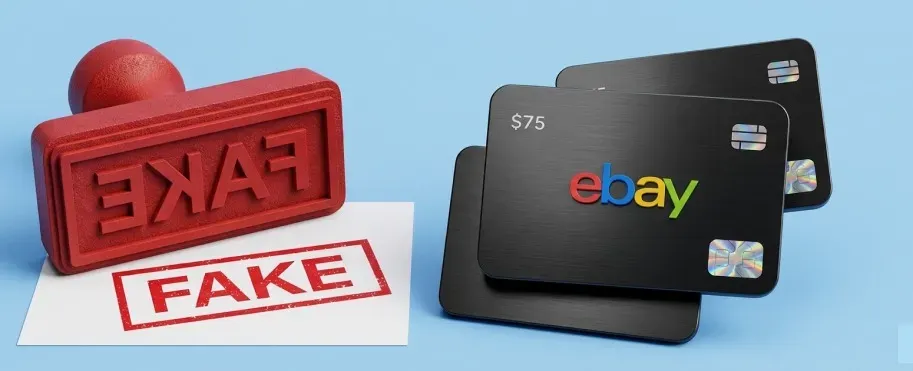
How To Spot Fake Gift Cards
3 months ago
Gift cards have become one of the most popular ways to shop, send gifts, and exchange value online. As their popularity continues to grow, so does the number of scams involving fake or compromised gift cards. Whether you receive a gift card from a friend, buy one from another person, or plan to sell it for cash, knowing how to identify a fake gift card is essential. A single mistake could result in financial loss or a failed transaction. Fake gift cards are designed to look genuine, making them difficult to recognize without careful inspection. Scammers may use counterfeit cards, stolen redemption codes, altered packaging, or fraudulent online listings to deceive buyers and sellers. Understanding how these scams work can help you avoid common traps and protect the value of your gift cards. In this guide, I will explain how to spot fake gift cards, the warning signs you should never ignore, and the most common gift card scams affecting traders today. You will also learn practical steps to verify gift cards before buying or selling them and discover how **[GCBUYING](https://gcbuying.com/)** helps protect customers through secure verification, transparent processing, and reliable gift card trading. By the end of this article, you will have the knowledge to trade gift cards more safely and confidently while reducing your risk of becoming a victim of fraud. ## What Is a Fake Gift Card? A fake gift card is a gift card that has been created, altered, copied, or presented in a deceptive way to mislead buyers or trading platforms. It may appear to be genuine, but it does not provide the value it claims to have. In some cases, the card may have already been redeemed, the redemption code may have been stolen, or the card itself may have been counterfeit from the beginning. The goal of these fraudulent cards is to trick someone into paying for a card that has little or no usable value. Fake gift cards come in different forms, including counterfeit physical cards, manipulated digital gift cards, and stolen gift card details shared through fraudulent websites or social media. Because many fake cards closely resemble genuine ones, it is important to verify their authenticity before completing any transaction. ## How Fake Gift Cards Are Created Gift card fraud has become more sophisticated over the years. Scammers use a variety of methods to create or distribute fake gift cards, making it difficult for unsuspecting buyers and sellers to recognize the warning signs. Understanding how these fraudulent cards are created is one of the best ways to protect yourself before buying, receiving, or selling a gift card. Fake gift cards can be created through counterfeit printing, altered card details, stolen redemption codes, fraudulent digital cards, and deceptive scam techniques. Knowing how these methods work makes it easier to recognize suspicious situations before they lead to financial loss. At GCBUYING, every eligible gift card is carefully verified through a structured process, helping protect customers from fraud while providing a secure and transparent trading experience. ## How to Spot a Fake Gift Card Recognizing a fake gift card is not always easy, especially when scammers create cards that closely resemble genuine ones. However, paying attention to a few important details can significantly reduce your risk of accepting a fraudulent card. Before buying, receiving, or selling a gift card, take time to inspect it carefully and verify its authenticity whenever possible. 1. **Inspect the Packaging Carefully** If you are dealing with a physical gift card, examine the packaging closely. Look for damaged packaging, signs that it has been opened previously, or anything that appears unusual. A package that has been cut, resealed, or altered may indicate that someone has tampered with the card. 2. **Look for Signs of Tampering** Inspect the card itself for scratches, peeling labels, damaged security features, or any indication that the card information has been modified. If the PIN covering appears disturbed or the card looks altered, avoid using or trading it until its authenticity has been confirmed. 3. **Examine the Card Number and PIN Area** Review the card number and the PIN area carefully. Poor printing quality, uneven text, missing characters, or unusual formatting can be warning signs. While these issues do not always mean the card is fake, they should encourage you to verify the card before proceeding. 4. **Verify the Gift Card Source** Knowing where the gift card came from is important. Gift cards obtained from official retailers, authorized sellers, or trusted sources generally carry less risk than cards purchased from unknown individuals or unofficial online listings. If the source cannot be verified, proceed with caution. 5. **Check the Balance Through Official Channels** Whenever possible, verify the gift card balance using the brand's official website, mobile application, or customer support. Confirming the balance through official channels helps determine whether the card is active and reduces the risk of accepting an invalid or previously redeemed card. 6. **Watch for Unusual Pricing or Offers** Be cautious if someone offers a high-value gift card at an unusually low price. While discounts are sometimes legitimate, offers that seem too good to be true often deserve additional scrutiny. Scammers frequently use unrealistic prices to attract quick buyers before questions are asked. Spotting a fake gift card requires careful attention to the card's condition, source, and verification details. By inspecting the packaging, checking for tampering, confirming the balance through official channels, and avoiding suspicious offers, you can greatly reduce your risk of fraud. At GCBUYING, every eligible gift card undergoes a structured verification process, giving you added confidence that your transaction is handled securely and professionally. ## Common Gift Card Scams You Should Know Gift card scams continue to evolve as fraudsters find new ways to deceive buyers and sellers. While the methods may differ, the goal is usually the same: to obtain money or gift card details through deception. Learning about these common scams can help you recognize suspicious situations early and avoid becoming a victim. - Fake Online Marketplaces - Social Media Scams - Phishing Emails and Messages - Fake Customer Support - Too-Good-to-Be-True Offers Most gift card scams rely on creating a false sense of trust or urgency. By staying alert, verifying information carefully, and avoiding suspicious offers, you can reduce your risk of fraud. At GCBUYING, we are committed to secure gift card trading through structured verification, transparent transactions, and reliable customer support, helping you trade eligible gift cards with greater confidence and peace of mind. ## How GCBUYING Protects Customers from Fraud Fraud prevention is one of the most important parts of safe gift card trading. At GCBUYING, we understand that you want to trade with confidence, knowing your transaction is handled professionally from start to finish. That is why we have developed a secure trading process that focuses on verification, transparency, and customer protection. Every eligible gift card is reviewed carefully before payment is approved, helping create a safer trading environment for everyone. 1. **Structured Verification Process** Every eligible gift card submitted to GCBUYING goes through a structured verification process. Our team carefully reviews the card details to confirm that the gift card meets our trading requirements before it is approved for payment. This process helps reduce the risk of fraudulent or invalid transactions. 2. **Secure Transaction Handling** Security is built into every stage of our trading process. We handle submitted gift card information carefully and follow established procedures that help protect customer information and support secure transactions. Our goal is to provide a reliable platform where customers can trade with confidence. 3. **Transparent Communication** We believe customers should always understand what is happening with their transactions. Throughout the verification process, GCBUYING maintains clear communication so you know your gift card is being processed according to our standard procedures. This transparency helps build trust and improves the overall customer experience. 4. **Dedicated Customer Support** If you have questions about your transaction or need assistance during the verification process, our customer support team is available to help. Whether you need clarification about supported gift cards, verification requirements, or transaction updates, we are committed to providing timely and helpful assistance. GCBUYING protects customers through structured verification, secure transaction handling, careful gift card validation, transparent communication, and dependable customer support. By combining these measures with competitive market-based rates and fast Naira payouts after successful verification, we provide a trusted platform where you can sell your eligible gift cards safely, efficiently, and with confidence. ## Final Thoughts Fake gift cards can lead to financial loss, failed transactions, and unnecessary stress, but many of these problems can be avoided with the right knowledge. By learning how to identify warning signs, inspecting gift cards carefully, verifying card details through official channels, and understanding common scam techniques, you can protect yourself before buying, receiving, or selling a gift card. Staying alert is one of the most effective ways to reduce the risk of fraud. Choosing a trusted trading platform is equally important. At GCBUYING, every eligible gift card goes through a structured verification process designed to support secure transactions and protect both buyers and sellers. Combined with transparent communication, competitive market-based rates, fast Naira payouts, and reliable customer support, our process gives you the confidence to trade safely. Whether you are selling a gift card for the first time or you trade regularly, GCBUYING provides a dependable platform where you can convert your eligible gift cards into Naira securely, efficiently, and with peace of mind.
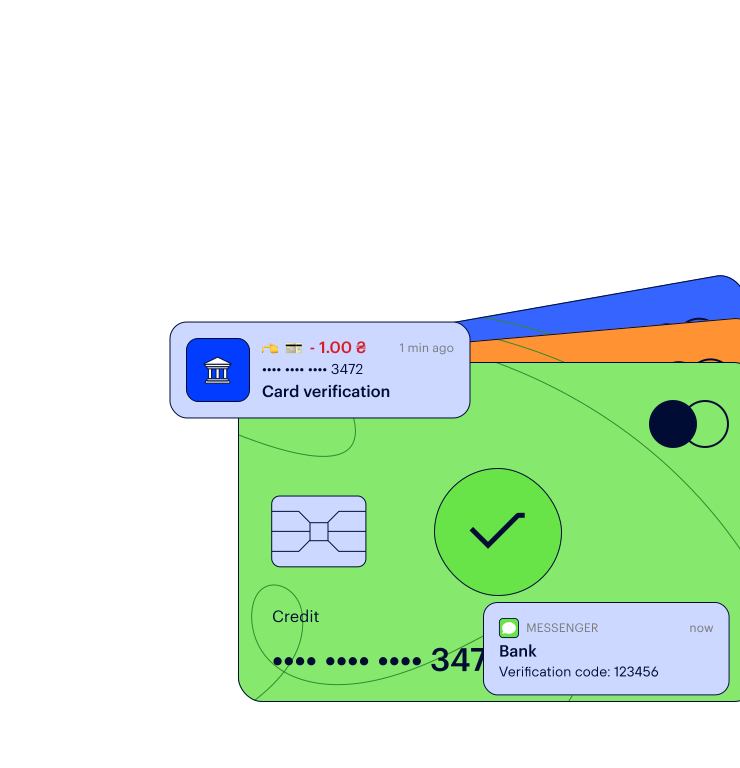
What Is Gift Card Verification?
3 months ago
If you have ever sold a gift card online, you may have been asked to complete a verification process before receiving payment. This step is known as card verification, and it is one of the most important parts of secure gift card trading. Although it may seem like an extra step, verification helps protect both the seller and the buyer by confirming that the gift card is genuine and has valid value. Card verification is especially important in the gift card trading industry because it helps prevent fraud, reduce errors, and ensure that transactions are completed accurately. Without proper verification, there would be a higher risk of invalid cards, used cards, incorrect balances, or unauthorized transactions entering the market. In this guide, I will explain what card verification means, why it is necessary, how the process works, and what information is usually required. You will also learn common reasons why verification may take longer than expected and practical tips to make the process faster. Finally, I will show you how **[GCBUYING](https://gcbuying.com/)** uses a secure and transparent verification process to help ensure safe gift card transactions and fast Naira payouts. ## What Is Card Verification? Card verification is the process of confirming that a gift card is genuine, valid, and eligible for trading before payment is approved. During this process, the trading platform reviews the information you provide to verify that the card has not already been redeemed, contains the expected balance where applicable, and meets the platform's trading requirements. Verification helps ensure that every transaction is accurate before funds are released. At GCBUYING, every eligible gift card goes through a structured verification process before payment is completed. This careful approach helps us process transactions securely while providing competitive rates, transparent service, and fast Naira payouts once verification has been successfully completed. ## Why Is Card Verification Important? Card verification is much more than a routine check. It is a key security measure that helps ensure every gift card transaction is completed safely and accurately. Without proper verification, the risk of fraud, payment disputes, and invalid gift cards would increase significantly. By verifying every eligible gift card before payment, trading platforms create a safer environment for both buyers and sellers. 1. **Preventing Fraud** One of the primary purposes of card verification is to reduce fraud. Verification helps identify gift cards that may have already been redeemed, reported as invalid, or submitted with incorrect information. This process protects legitimate traders and helps maintain the integrity of the marketplace. 2. **Confirming Card Authenticity** Verification confirms that the gift card is genuine and meets the platform's trading requirements. By reviewing the card details carefully, the platform can determine whether the card is eligible for processing before any payment is released. 3. **Protecting Buyers and Sellers** A secure verification process benefits everyone involved in the transaction. Sellers gain confidence that their gift cards are being handled professionally, while buyers receive assurance that the cards they purchase have been properly verified. This creates a more reliable trading environment. 4. **Ensuring Accurate Payouts** Verifying gift card information before payment helps ensure that the correct value is processed. Accurate verification reduces the possibility of errors and allows payouts to reflect the verified details of the gift card. 5. **Building Trust in the Trading Process** Trust is essential in gift card trading. A structured verification process demonstrates that a platform values security, transparency, and fairness. When users know that every eligible transaction is verified carefully, they can trade with greater confidence. Card verification is an essential part of safe and reliable gift card trading. It helps prevent fraud, confirms card authenticity, protects both buyers and sellers, supports accurate payouts, and strengthens trust throughout the trading process. At GCBUYING, we follow a secure and transparent verification procedure for every eligible gift card, helping ensure that your transaction is completed safely before your Naira payment is processed promptly. ## How Does Gift Card Verification Work? Gift card verification follows a structured process designed to confirm that a card is valid before payment is approved. Although the exact procedure may vary slightly between platforms, the overall goal remains the same: to verify the gift card accurately while protecting both the seller and the trading platform. Understanding these steps helps you know what to expect after submitting your gift card. - Receiving the Gift Card - Reviewing Card Details - Checking Card Validity - Confirming the Available Balance - Approving the Transaction Gift card verification is a systematic process that includes receiving the card, reviewing its details, confirming its validity, verifying the available balance where applicable, and approving the transaction. Every step is designed to improve security and ensure accurate processing. At GCBUYING, we follow a transparent verification process that helps protect every transaction while providing competitive rates and fast Naira payouts after successful verification. ## Information Needed for Card Verification Providing accurate information is one of the easiest ways to ensure a smooth verification process. The more complete and correct your submission is, the faster your gift card can be reviewed. Missing or incorrect details may delay verification because additional checks or clarification may be required before the transaction can be approved. Accurate information plays a major role in successful gift card verification. Providing the correct brand, denomination, card number, PIN or redemption code, and any supporting information when requested helps reduce delays and improves the overall trading experience. At GCBUYING, our structured verification process uses this information to process eligible gift cards securely and efficiently, allowing you to receive fast Naira payouts after successful verification. ## How GCBUYING Ensures Secure Card Verification A secure verification process is one of the most important parts of gift card trading. At GCBUYING, we are committed to making sure every eligible gift card is verified accurately before payment is approved. Our verification system is designed to protect our customers, reduce the risk of fraud, and provide a smooth trading experience from submission to payout. 1. **Structured Verification Process** Every eligible gift card submitted to GCBUYING goes through a clear and organized verification process. Our team carefully reviews the information provided, verifies that the card meets our trading requirements, and confirms that it is eligible for processing before moving to the payment stage. This structured approach helps maintain accuracy and consistency across every transaction. 2. **Secure Transaction Handling** Security is built into every step of our trading process. We handle submitted gift card information carefully and follow verification procedures designed to protect both our customers and the platform. These measures help reduce the risk of invalid transactions and improve the overall safety of gift card trading. 3. **Transparent Communication** We believe customers should understand how their transactions are progressing. Throughout the verification process, GCBUYING follows a transparent approach so you know that your gift card is being reviewed according to our standard procedures. Clear communication helps build confidence and creates a better trading experience. 4. **Fast Naira Payouts After Approval** Once your gift card has successfully completed verification, we process your Naira payment promptly. We understand that timely payments are important, so we work to complete approved transactions efficiently while maintaining our security standards. 5. **Dedicated Customer Support** If you have questions during the verification process, our customer support team is available to assist you. Whether you need clarification about verification requirements, transaction status, or supported gift cards, we are committed to providing helpful guidance and timely responses. At GCBUYING, secure card verification is the foundation of every successful transaction. By combining a structured verification process, secure transaction handling, transparent communication, fast Naira payouts, and dependable customer support, we provide a trusted platform where you can sell your eligible gift cards with confidence and peace of mind. ## The Future of Gift Card Verification Gift card verification is expected to become even more advanced as digital payments and online trading continue to grow. As the gift card market expands, trading platforms will continue improving their verification processes to make transactions more secure, accurate, and efficient. Better verification methods will help reduce fraud, minimize processing errors, and create a safer environment for both buyers and sellers. In Nigeria, the growth of gift card trading is increasing the importance of reliable verification systems. Customers want platforms that not only offer competitive rates but also protect every transaction through secure verification and transparent processing. GCBUYING is committed to continuously improving its verification procedures while maintaining fast Naira payouts, dependable customer support, and a trusted trading experience. As the industry evolves, we will continue focusing on security, efficiency, and customer satisfaction so you can sell your eligible gift cards with confidence every time. ## Final Thoughts Card verification is an essential part of secure gift card trading. It helps confirm that a gift card is genuine, eligible for trading, and processed accurately before payment is approved. By preventing fraud, protecting buyers and sellers, supporting accurate payouts, and building trust, verification creates a safer and more reliable trading experience for everyone involved. Understanding how card verification works also helps you prepare your gift card correctly and avoid unnecessary delays. Providing accurate information and choosing a trusted trading platform can make the entire process faster and more efficient. At GCBUYING, we combine structured verification, secure transaction handling, transparent communication, fast Naira payouts, and reliable customer support to provide a safe and dependable platform for selling eligible gift cards. Whether you are a first-time seller or an experienced trader, you can rely on GCBUYING to help you convert your gift cards into Naira securely, efficiently, and with confidence.

Buy Crypto With Gift Cards: The 2026 Guide to Doing Both Safely
3 months ago
There are two things people mean by “gift cards and crypto,” and they are opposites. Buying gift cards with crypto means spending Bitcoin, USDT, or ETH to purchase a store gift card. Buying crypto with gift cards means the reverse , handing over an unused Amazon, Apple, or [Steam card](https://gcbuying.com/blogs/how-to-sell-steam-gift-cards-for-cash) and receiving cryptocurrency in return. On GCBuying, you do the second one: you sell or exchange a gift card and get paid in Bitcoin, USDT, or Ethereum (or cash) in minutes. Create an account, choose Sell Gift Card, upload the card details, accept the rate, and receive your crypto instantly. If you searched “[buy gift cards with crypto](https://gcbuying.com/),” you are in one of two camps, and this guide covers both. Some readers want to spend crypto on a gift card. Far more readers — especially anyone sitting on a card they will never use actually want the opposite: to turn a gift card into spendable cryptocurrency. This article explains each direction plainly, then walks through exactly how to convert gift cards to crypto safely with GCBuying, what rates to expect, and how to avoid the scams that plague this space. ## <u>Buying gift cards with crypto vs. buying crypto with gift cards</u> The wording trips up almost everyone, so let us settle it once. Think of the preposition as the direction of money flow. Platforms like Bitrefill and Cryptorefills handle the first direction — spending crypto to buy gift cards. GCBuying specializes in the second and more common need: helping people liquidate gift cards they will not use and walk away with real crypto or cash. The rest of this guide focuses there, because that is where most of the demand — and most of the money left on the table — actually sits. **## Why convert gift cards to crypto instead of letting them expire?** Americans alone leave billions of dollars in gift card value unredeemed every year. A card for a store you never shop at is dead money. Converting it to crypto solves three problems at once: It unlocks trapped value. A $100 card you will never spend becomes $80–$95 of Bitcoin or USDT you can actually use, save, or send anywhere in the world. It is borderless and fast. Crypto settles in minutes and moves across countries without a bank in the middle — useful for freelancers, traders, and anyone paid in gift cards. It hedges and grows. Turning idle plastic into Bitcoin or a stablecoin like USDT gives you an asset you can hold, rather than a balance locked to one retailer. Stablecoins deserve a special mention. If you want the liquidity of crypto without the price swings, converting a gift card to USDT gives you a dollar-pegged balance you can hold steady or move instantly. If you are bullish and want upside, Bitcoin or Ethereum are the usual picks. **### Who converts gift cards to crypto — and why it is booming** This is not a fringe activity. A growing group of people rely on gift-card-to-crypto conversion as a normal part of how they move money: Recipients of unwanted gifts. You got a Nordstrom or Sephora card but would rather have Bitcoin you can actually use. Converting beats regifting or forgetting it in a drawer. Freelancers and remote workers. Clients sometimes pay in gift cards; turning them into USDT makes that income spendable and portable across borders. Resellers and side-hustlers. People who accumulate cards through rewards, promotions, or cashback programs convert them into liquid crypto to reinvest. Crypto-first users. Anyone who already lives in stablecoins and Bitcoin prefers to consolidate value into their wallet rather than juggle dozens of retailer balances. The through-line is simple: a gift card is value locked to a single store, while crypto is value you control. As more people in the USA, Nigeria, and worldwide get comfortable with digital assets, converting idle cards into crypto has moved from niche trick to everyday financial move. **## How to buy crypto with gift cards on GCBuying (step by step)** The whole process takes just a few minutes. Here is the exact flow: Create your account. Register on gcbuying.com or download the GCBuying app for iOS or Android. Sign-up is free. Check the rate first. Use the Rate Calculator to see exactly how much crypto or cash your card is worth before you commit. Rates vary by brand, card value, and region. Select “Sell Gift Card.” Choose the card type (Amazon, Apple/iTunes, Steam, Google Play, and more), enter the value, and pick your payout — Bitcoin, USDT, Ethereum, or cash. Upload the card details. Submit the code or an image of the card and any information the form requests, then hit Submit. Get paid. Once the card is verified, your payout is sent to your chosen crypto wallet or account. GCBuying advertises instant payouts, so most trades settle in minutes. That is it. No haggling in a sketchy chat, no waiting days for a bank transfer — a structured portal, a locked-in rate, and a fast payout. **### Which gift cards can you exchange for crypto?** GCBuying accepts a wide range of popular gift cards. The most commonly traded include: Amazon, Walmart, eBay, Target, JCPenney, Nordstrom, Saks Fifth Avenue Apple / iTunes, Google Play, Steam Wallet, Sephora Vanilla, American Express (AMEX), Best Buy The list keeps growing, so if you hold a card that is not shown here, check the full gift card directory or run it through the rate calculator. As a rule, widely used, high-liquidity brands like Amazon, Apple, and Steam fetch the strongest rates. ## **## Which cryptocurrencies can you receive?** GCBuying pays out in the three coins most people actually want: Bitcoin (BTC) — the most recognized cryptocurrency, ideal if you want a long-term store of value. Tether (USDT) — a stablecoin pegged to the US dollar; best if you want to avoid volatility and keep a steady balance . Ethereum (ETH) — the leading smart-contract network, popular with users active in DeFi and Web3. Prefer old-fashioned money? You can also cash out to a bank account or local currency instead of crypto — GCBuying supports both cash and coin payouts, so you are never locked into one. **## How gift-card-to-crypto rates and fees work** When you convert a gift card to crypto, you will not receive 100% of the face value and understanding why protects you from “too good to be true” scams. The buyer takes on real risk (fraudulent or already-spent cards) and real cost (payment processing, liquidity), so the payout is a percentage of face value, called the rate. **#### Your rate depends on a few factors:** Brand and demand — high-demand cards (Amazon, Apple, Steam) pay more than niche ones. Card type and region — physical vs. e-code, and the country the card was issued in, both matter. Card value — larger denominations sometimes carry better percentage rates. Receipt or proof — having a valid receipt can improve the rate on some cards. Because crypto prices and card demand move constantly, always check the live rate calculator right before you trade. A transparent, published rate is a green flag; a stranger promising 100% payout is a red one. ## Is it safe and legit to sell gift cards for crypto? Done on a reputable platform, yes. The risk in this space is not the concept and it is where you do it. Trading with random buyers on social media is how people get scammed. Using an established, registered platform with escrow-style verification is how you stay safe. ## ### What makes GCBuying a safer choice: Registered entity. GCBuying operates as GCBUYING TECHNOLOGY PROJECTS LIMITED, recognized and duly registered under Nigerian law — a real, accountable company rather than an anonymous handle. Encryption and security protocols. The app and site use modern encryption to protect your data and transactions. 24/7 support. A dedicated support team is available around the clock if a trade needs attention. AML compliance. The platform maintains an Anti-Money-Laundering policy, a sign it takes regulatory obligations seriously. **## What if you actually want to buy gift cards WITH crypto?** If you landed here wanting to spend crypto to buy a gift card, the opposite direction — here is the honest short version. You would use a crypto-gift-card marketplace such as Bitrefill or Cryptorefills: pick a brand, choose a denomination, select your coin and network (BTC, Lightning, ETH, USDT, and others), send payment, and receive the code, usually within a few minutes. Fees are typically 0–2% above face value, and Bitcoin Lightning payments are often at face value. Both directions are legitimate uses of crypto. But if your goal is to get value out of a gift card you already own which is what most people searching this actually need, converting it to crypto on GCBuying is the faster, more flexible route. The takeaway: you trade a small percentage of face value for instant liquidity and the freedom to hold crypto instead of a store balance. A higher-demand card nudges that rate up; a niche card nudges it down. If a platform ever quotes you the full $100, treat it as a warning, not a win. ### Tips to get the best rate and a smooth trade Trade high-demand cards. Amazon, Apple, Steam, and Google Play generally command the best rates. Check the calculator before every trade. Rates move with crypto prices — lock in when the number looks right. Keep your receipt. Proof of purchase can raise your rate and speed up verification. Never share a code outside the official portal. Legitimate trades happen inside the platform, never in a DM. Start with a smaller card the first time. Once you have seen the flow end to end, scale up with confidence. Choose USDT if you fear volatility. It keeps your payout pegged to the dollar until you decide what to do next. Common mistakes to avoid Believing “100% payout” promises. Nobody pays full face value — that offer is bait. Trading with strangers off-platform. If there is no escrow or support team, there is no protection. Ignoring the network fee on withdrawal. When moving crypto out of your wallet, factor in the blockchain fee, especially for small amounts. Using an invalid or already-redeemed card. Verification will catch it, and it wastes everyone’s time. ## **Frequently asked questions** Can I really buy crypto with a gift card? Yes. On a platform like GCBuying you sell or exchange an unused gift card and receive cryptocurrency — Bitcoin, USDT, or Ethereum — in return, usually within minutes. It is effectively “buying crypto with a gift card.” ## What is the difference between buying gift cards with crypto and buying crypto with gift cards? Buying gift cards with crypto means you spend Bitcoin or USDT to purchase a store card. Buying crypto with gift cards is the reverse — you hand over a gift card and get crypto back. GCBuying handles the second direction. #### Which gift cards can I exchange for Bitcoin or USDT? Popular options include Amazon, Apple/iTunes, Steam, Google Play, Walmart, eBay, Sephora, Nordstrom, Vanilla, American Express, Best Buy, and Target. Check the rate calculator for the current list and rates. ## How long does it take to get paid? GCBuying advertises instant payouts, so most verified trades settle within minutes. Timing can vary with card type and verification. ## Why don’t I get 100% of the card’s value? The buyer takes on fraud risk and processing costs, so payouts are a percentage of face value — the “rate.” High-demand cards pay the most. Any offer of a full 100% payout is a scam warning sign. ## Is GCBuying legit? GCBuying operates as GCBUYING TECHNOLOGY PROJECTS LIMITED, registered under Nigerian law, with encryption, an AML policy, and 24/7 support. As with any platform, review its terms and start with a small trade. ## Can I get cash instead of crypto? Yes. GCBuying lets you cash out to cash or to crypto, so you can pick whichever suits you for each trade. ## Ready to turn unused gift cards into crypto? Stop letting gift cards gather dust. Check your card’s live value on the GCBuying rate calculator, then create a free account and get paid in Bitcoin, USDT, Ethereum, or cash in minutes. Trade on web, [iOS](https://apps.apple.com/us/app/gcbuying-sell-giftcard/id1574175142), or [Android](https://play.google.com/store/apps/details?id=com.gcbuying).
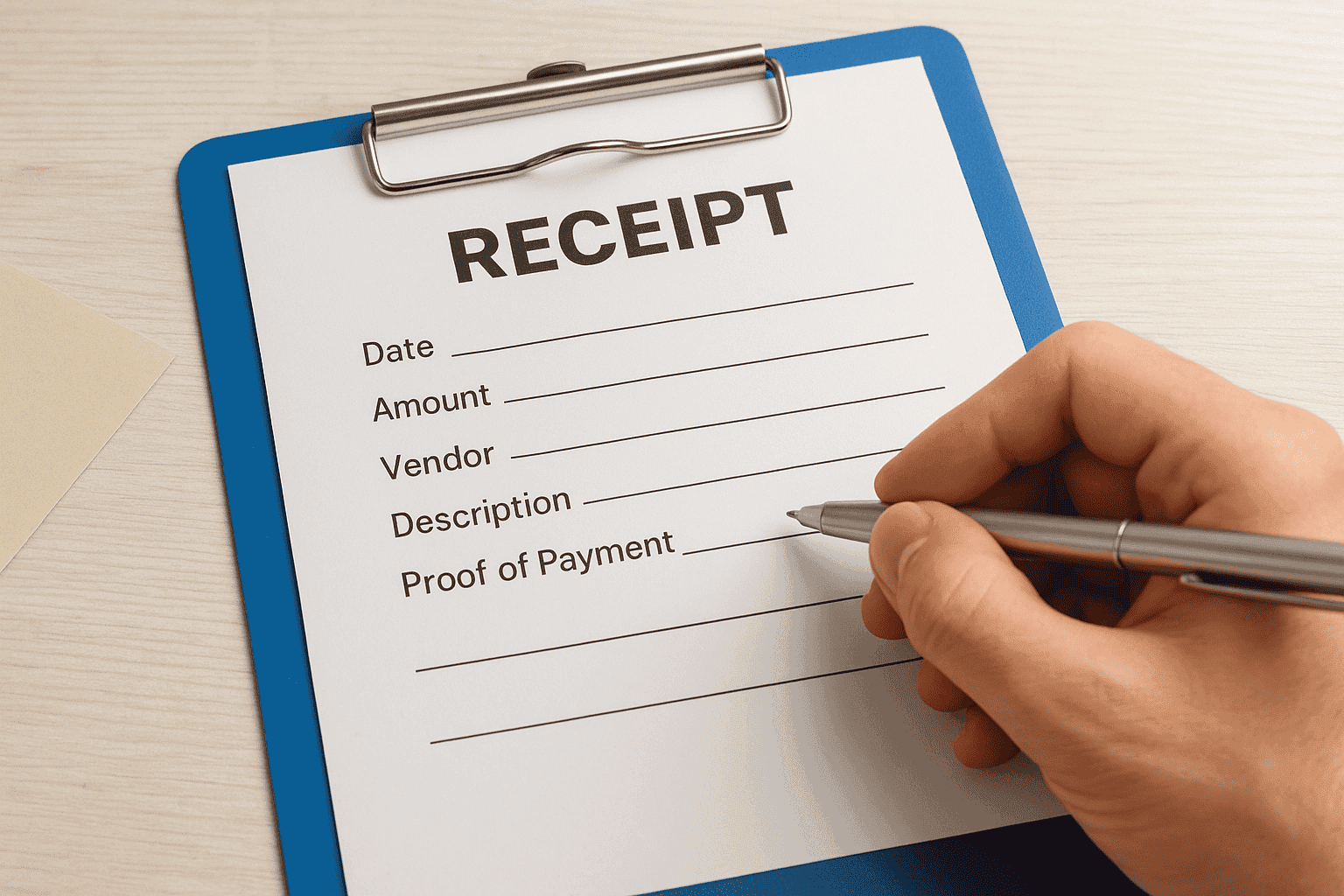
What Does “Receipt Required” Mean?
3 months ago
If you have ever tried to sell a gift card, you may have come across the phrase "receipt required." For many first-time traders, this can be confusing. You may wonder why a buyer wants the receipt when the gift card itself already contains the value. The answer is simple. In many cases, the receipt helps verify that the gift card was purchased legitimately and adds an extra layer of security to the transaction. Not every gift card requires a receipt, but some high-demand gift cards are more likely to be verified with proof of purchase. This practice helps protect both buyers and sellers by reducing the risk of fraud, unauthorized transactions, and disputes. Knowing when a receipt may be required can save you time and make the selling process much smoother. In this guide, I will explain what "receipt required" means, why some gift cards require proof of purchase, what information a receipt usually contains, and what happens if you no longer have it. You will also learn how to store your receipts safely and discover how **[GCBUYING](https://gcbuying.com/)** uses a secure and transparent verification process to help you sell eligible gift cards with confidence while receiving competitive rates and fast Naira payments. ## What Does "Receipt Required" Mean? When a gift card is marked as "receipt required," it means the buyer or trading platform asks you to provide proof that the gift card was purchased legitimately. The receipt is used to confirm important details about the card, such as when it was purchased, where it was bought, and, in many cases, its original value. This additional verification helps reduce the risk of fraudulent or unauthorized gift cards entering the trading process. A receipt requirement does not automatically mean there is a problem with your gift card. It is simply a security measure that some platforms apply to certain brands or transactions. High-demand gift cards are often subject to stricter verification because they are more commonly targeted by fraud. ## Why Do Some Gift Cards Require a Receipt? Not every gift card transaction requires a receipt, but some do because it adds an extra level of security. A receipt helps verify that the gift card was obtained through a legitimate purchase and allows the trading platform to review important transaction details. This protects both the seller and the buyer while helping to maintain a safe gift card trading environment. 1. **Proof of Purchase** The primary purpose of a receipt is to prove that the gift card was purchased from an authorized retailer or official source. It confirms that the card entered the market through a legitimate transaction rather than an unauthorized method. 2. **Card Ownership Verification** A receipt can also help demonstrate that you are the person who originally purchased or received the gift card through a legitimate transaction. While the receipt is not always the only form of verification, it provides additional confidence during the review process. 3. **Fraud Prevention** Gift cards are valuable digital assets, making them a target for fraudulent activity. Requesting a receipt helps reduce the risk of stolen, altered, or unauthorized gift cards being traded. This extra verification benefits both customers and trusted trading platforms. 4. **Platform Security Policies** Different gift card trading platforms have different verification standards. Some require receipts only for certain gift card brands or higher-value transactions, while others request them more frequently as part of their security procedures. These policies are designed to maintain a safe trading environment. 5. **Faster Verification** When a clear and valid receipt is available, the verification process may be completed more efficiently because important purchase information can be reviewed quickly. Providing the requested documents promptly helps reduce unnecessary delays during processing. Receipts are requested to strengthen security, verify legitimate purchases, and reduce the risk of fraud. They also help trusted trading platforms process eligible transactions with greater confidence and accuracy. At GCBUYING, receipt verification is used only, when necessary, as part of our secure and transparent trading process, helping ensure that every eligible gift card transaction is completed safely while delivering competitive rates and fast Naira payments. ## Which Gift Cards Commonly Require Receipts? Not all gift cards are treated the same during the verification process. Some brands are more likely to require proof of purchase because they are highly valuable, widely traded, and frequently targeted by fraudulent activity. While receipt requirements vary between platforms and individual transactions, certain gift card brands are more commonly associated with receipt verification. - Apple Gift Cards - Steam Gift Cards - Google Play Gift Cards - Amazon Gift Cards **Other High-Demand Gift Cards** Other internationally recognized gift cards with strong resale demand may also require receipts in certain situations. The exact requirement depends on factors such as the card brand, transaction value, platform security policies, and the circumstances of the trade. Receipt requirements are generally more common for high-demand gift cards because these cards carry greater market value and require stronger security measures. Although not every transaction requires proof of purchase, keeping your receipt can make the verification process easier whenever it is requested. At GCBUYING, we apply secure verification procedures based on the specific transaction, helping ensure a safe, transparent, and reliable trading experience for every eligible gift card. ## What Information Does a Receipt Usually Show? A gift card receipt contains important purchase details that help verify the authenticity of the transaction. While the exact layout varies depending on the retailer or online store, most receipts include similar information that can be used during the verification process. Understanding what appears on a receipt helps you know why it may be requested when selling certain gift cards. A gift card receipt provides valuable information that helps confirm the legitimacy of a purchase. Details such as the purchase date, retailer information, gift card value, payment confirmation, and transaction reference all contribute to a secure verification process. At GCBUYING, when a receipt is required for an eligible transaction, these details help us complete verification efficiently so you can receive your Naira payment through a safe, transparent, and reliable trading process. ## How GCBUYING Handles Receipt Verification At GCBUYING, security and transparency are important parts of every gift card transaction. When a receipt is required, it is requested only to help verify the legitimacy of an eligible gift card and protect both the customer and the platform. Our verification process is designed to be straightforward, efficient, and focused on creating a safe trading experience from start to finish. 1. **Secure Verification Process** When receipt verification is necessary, our team carefully reviews the information provided alongside your gift card. The goal is to confirm that the card was obtained through a legitimate purchase while maintaining a secure trading environment for every customer. 2. **Transparent Review** We believe customers should understand why certain verification steps are required. If a receipt is requested, it is part of a clear verification procedure rather than an unnecessary obstacle. Our transparent approach helps build confidence throughout the trading process. 3. **Fast Transaction Processing** Providing a clear and valid receipt when requested can help the verification process move more efficiently. Once your eligible gift card has been successfully verified, we work to complete your transaction promptly so you can receive your Naira payment without unnecessary delays. 4. **Customer Support** If you are unsure whether your gift card requires a receipt or have questions during the verification process, our customer support team is available to assist you. We are committed to providing clear guidance and timely responses to help make your trading experience as smooth as possible. 5. **Safe Gift Card Trading** Receipt verification is one of several security measures that help protect our customers and maintain the integrity of the GCBUYING platform. Combined with secure transaction procedures and transparent processing, it allows us to provide a trusted environment for buying and selling eligible gift cards. At GCBUYING, receipt verification is used only when necessary to support a secure and reliable trading experience. By combining careful verification, transparent communication, fast transaction processing, and dependable customer support, we help you sell your eligible gift cards with confidence while receiving competitive rates and fast Naira payments through a trusted platform. ## Final Thoughts Understanding what "receipt required" means can make your gift card trading experience much easier. A receipt is simply proof that a gift card was purchased through a legitimate transaction. While not every gift card requires one, receipts are sometimes requested for high-demand brands or specific transactions to strengthen security, verify ownership, and reduce the risk of fraud. Keeping your receipt after purchasing a gift card is a simple habit that can save time if verification is ever needed. When you are ready to sell your gift cards, choosing a trusted platform is just as important as having the right documentation. GCBUYING combines secure verification procedures, transparent transactions, competitive market-based rates, fast Naira payouts, and reliable customer support to provide a safe and dependable trading experience. Whether your eligible gift card requires a receipt or not, you can rely on GCBUYING to guide you through the process and help you convert your gift cards into Naira quickly, securely, and with confidence.
Why Are Apple Gift Cards Worth More?
3 months ago
Apple Gift Cards are among the most valuable and widely traded gift cards in Nigeria. If you have ever compared gift card rates, you may have noticed that Apple Gift Cards often offer higher payouts than many other brands. This is not a coincidence. Their strong global reputation, consistent buyer demand, and wide range of uses have made them one of the most sought-after gift cards in the resale market. Many people receive Apple Gift Cards as gifts, rewards, freelance payments, promotional incentives, or from family and friends abroad. While some use the cards to purchase Apple products or digital services, many others prefer to sell them for Naira. Because Apple Gift Cards are consistently in demand, they frequently maintain competitive market values, making them an attractive option for gift card traders. In this guide, I will explain why Apple Gift Cards are often worth more than many other gift cards, the factors that influence their rates, and why their value changes over time. You will also learn practical tips for getting the best price when selling your Apple Gift Card and discover how **[GCBUYING](https://gcbuying.com/)** provides competitive market-based rates, secure transactions, transparent processing, and fast Naira payments, making it easy to convert your Apple Gift Card into cash with confidence. ## What Is an Apple Gift Card? An Apple Gift Card is a prepaid card issued by Apple that allows users to purchase eligible products and services within the Apple ecosystem. Depending on the region and the card issued, it can be used for purchases such as apps, games, music, movies, books, subscriptions, iCloud storage, accessories, and selected Apple hardware through eligible Apple channels. Each card contains a prepaid balance that is redeemed to an Apple account or used according to Apple's terms and conditions. At GCBUYING, you can sell eligible Apple Gift Cards through a secure and transparent trading process, receive competitive market-based rates, and enjoy fast Naira payments backed by reliable customer support. ## Why Are Apple Gift Cards Worth More? Apple Gift Cards often command higher market rates because they are backed by one of the world's most recognized technology companies and are useful across a wide range of digital products and services. Their popularity extends far beyond a single country, creating steady demand in the global resale market. When demand remains consistently high, the market value of these gift cards is often stronger than that of many other brands. 1. **Strong Global Brand Reputation** Apple has built a reputation for high-quality products and services over many years. Millions of customers trust the brand and regularly purchase Apple devices, software, and subscriptions. This global recognition increases the desirability of Apple Gift Cards and contributes to their strong resale value. 2. **High Buyer Demand** Consistent buyer demand is one of the main reasons Apple Gift Cards maintain competitive rates. People who use Apple products frequently look for ways to add credit to their accounts, making these gift cards attractive in the resale market. Strong demand helps support higher trading values. 3. **Wide Range of Apple Products and Services** Apple Gift Cards can be used across a broad ecosystem of products and digital services. They are commonly redeemed for apps, games, music, movies, books, subscriptions, cloud storage, and other eligible Apple purchases. Their versatility makes them useful to a large number of buyers, increasing their overall market appeal. 4. **Consistent Resale Demand** Unlike some gift cards that experience occasional spikes in demand, Apple Gift Cards generally maintain steady buyer interest throughout the year. This consistent trading activity contributes to more stable market pricing and helps preserve their value over time. 5. **Strong International Market** Apple Gift Cards are traded in many countries, creating a broad international market with continuous buying and selling activity. Because demand comes from multiple regions rather than a single local market, these gift cards often maintain competitive rates even as market conditions change. Apple Gift Cards are worth more because they combine global brand recognition, strong buyer demand, broad usability, consistent resale activity, and international market appeal. These factors work together to create higher market value compared with many other gift card brands. At GCBUYING, we monitor these market conditions closely to offer competitive Apple Gift Card rates, helping you convert your eligible cards into Naira through a secure, transparent, and reliable trading process. ## Factors That Affect Apple Gift Card Rates Although Apple Gift Cards often maintain strong market value, their rates are not fixed. The amount you receive when selling an Apple Gift Card depends on several market factors that change over time. Understanding these factors helps you know why rates fluctuate and how you can make better decisions when trading your card. - Country of Issuance - Card Denomination - Market Demand - Exchange Rate Movements - Current Market Conditions Apple Gift Card rates are determined by a combination of the country of issuance, card denomination, buyer demand, exchange rate movements, and overall market conditions. Because these factors change regularly, rates also fluctuate over time. At GCBUYING, we monitor the market continuously to provide competitive Apple Gift Card rates, allowing you to sell your eligible cards securely and receive fair value through a transparent trading process with fast Naira payouts. ## Why Apple Gift Cards Are Popular in Nigeria Apple Gift Cards have become one of the most traded gift cards in Nigeria because they combine strong international demand with consistent local interest. Many Nigerians receive these cards through gifts, freelance work, promotional rewards, or family and friends living abroad. Instead of redeeming the balance for Apple purchases, many choose to convert the cards into Naira, creating an active and competitive trading market. Apple Gift Cards remain popular in Nigeria because they combine strong local demand with global market recognition. Their usefulness within the Apple ecosystem, active resale market, and consistent buyer interest help maintain their trading value. At GCBUYING, we make it easy to convert eligible Apple Gift Cards into Naira by offering competitive market-based rates, secure verification, transparent transactions, and fast payments you can rely on. ## Why GCBUYING Is the Best Place to Sell Apple Gift Cards Selling your Apple Gift Card should be a simple, secure, and rewarding experience. At GCBUYING, we understand that you want more than just a buyer. You want a platform that offers competitive rates, protects your transaction, and delivers your payment quickly. That is why we have built a trusted gift card trading platform that focuses on transparency, security, and customer satisfaction. 1. **Competitive Apple Gift Card Rates** Apple Gift Card rates change according to market conditions, and GCBUYING monitors these changes closely to provide competitive market-based pricing. Our goal is to help you receive fair value for your eligible Apple Gift Cards while ensuring that our rates remain aligned with current market demand. 2. **Secure Verification** Every Apple Gift Card submitted to GCBUYING goes through a structured verification process before payment is approved. This verification helps ensure that transactions are completed accurately while protecting both our customers and the platform. Our secure process allows you to trade with confidence. 3. **Fast Naira Payouts** Once your Apple Gift Card has been verified successfully, we process your Naira payment promptly. We understand that quick access to your funds is important, so we work to complete eligible transactions efficiently without compromising security or accuracy. 4. **Transparent Trading Process** At GCBUYING, every transaction follows a clear and transparent process. From submitting your Apple Gift Card to receiving your Naira payment, each step is designed to keep you informed and provide a smooth trading experience without unnecessary complications. 5. **Reliable Customer Support** If you have questions about your Apple Gift Card, current rates, or the progress of your transaction, our customer support team is available to assist you. We are committed to providing timely responses and helpful guidance so that every customer enjoys a dependable trading experience. GCBUYING combines competitive Apple Gift Card rates, secure verification, transparent transactions, fast Naira payouts, and dependable customer support to provide a trusted platform for gift card trading. Whether you received your Apple Gift Card as a gift, a reward, or through freelance work, you can rely on GCBUYING to convert it into Naira safely, efficiently, and at competitive market rates. ## Final Thoughts Apple Gift Cards are often worth more because they combine strong global demand, a trusted brand reputation, broad usability, and consistent activity in the resale market. Their value is also influenced by factors such as the country of issuance, buyer demand, exchange rate movements, market supply, and seasonal trends. Understanding these factors helps you see why Apple Gift Card rates change over time and allows you to make better decisions when choosing the right time to sell. If you want to receive competitive value for your Apple Gift Cards, choosing a trusted trading platform is just as important as understanding the market. GCBUYING makes the process simple by offering competitive market-based rates, secure verification, transparent transactions, fast Naira payouts, and dependable customer support. Whether you received your Apple Gift Card as a gift, a reward, or through online work, you can rely on GCBUYING to convert your eligible Apple Gift Cards into Naira safely, efficiently, and with confidence.