Blogs
How to Check Your Walmart Gift Card Balance
2 months ago
If you have a Walmart Gift Card and want to know how much money is still available on it, the first step is to check the current balance. Your Walmart Gift Card balance tells you the amount that remains available for eligible purchases. This is important because the card's original value and its current balance may not always be the same. If part of the card has already been used, you need to know the remaining amount before deciding what to do with it. Walmart states that you can check the balance of a standard Walmart Gift Card online, at a Walmart store, or by phone. For online balance checking, you need the 16-digit gift card number and PIN. Walmart also explains that the PIN for a physical card can be found on the back under the silver scratch-off area. In this guide, you will learn how to check your Walmart Gift Card balance, what information you need, what you should verify before selling the card, how to calculate its estimated Naira value, and how **[GCBUYING](https://gcbuying.com/)** can help you through the selling process. You will also learn about common mistakes that can cause confusion when checking or trading a Walmart Gift Card. ## Why You Should Check Your Walmart Gift Card Balance Before you use or sell your Walmart Gift Card, you should know exactly how much value remains on it. The amount printed on the card represents its original value, but the current balance can be lower if part of the card has already been used. Walmart provides several ways to check the balance, including online, at a Walmart register, or by phone. For online checking, Walmart requires the 16-digit card number and 4-digit PIN. ### 1. Confirm the Actual Amount Available Checking your balance allows you to confirm the amount you can actually use. For example, if you have a $100 Walmart Gift Card and have already spent $25, your remaining balance would be $75. This matters when you are preparing the card for sale because you should provide the actual available value rather than relying on the original amount printed on the card. ### 2. Find Out Whether the Card Has Already Been Used A physical Walmart Gift Card can appear unused even when some or all of its balance has already been spent. Checking the balance gives you a clearer picture of the card's current status. If your balance shows $0, you should not treat the card as a $100 card simply because $100 was its original value. The remaining balance is what matters when you are determining its current usable value. ### 3. Avoid Mistakes When Selling If you plan to sell your Walmart Gift Card, checking the balance before starting the transaction helps you enter the correct amount. This can prevent confusion during the selling process. Once you know the actual balance, you can check the applicable GCBUYING rate and estimate how much the card may be worth in Naira. The gift card balance and its resale value are separate figures. ### 4. Understand Balance Versus Resale Value Your Walmart Gift Card balance tells you how much purchasing value remains on the card. Its resale value is the amount you may receive if you sell an eligible card through a gift card trading platform. For example, suppose your Walmart Gift Card has a $100 balance and the applicable trading rate is hypothetically ₦650 per $1. Your estimated value would be: $100 × ₦650 = ₦65,000 If you want to sell an eligible Walmart Gift Card, check the balance first and then check the current GCBUYING rate. This allows you to estimate the card's potential Naira value using accurate information rather than an old balance or outdated rate. ## How to Check Your Walmart Gift Card Balance Checking your Walmart Gift Card balance is straightforward when you use Walmart's official balance-checking options. You can check the balance online, by phone, or at a Walmart store. For an online balance check, Walmart says you need the 16-digit gift card number and PIN. ### 1. Check Your Balance Online The easiest option is to use Walmart's official gift card balance checker. Keep your Walmart Gift Card nearby and enter the required card information. For a physical card, the PIN is located under the silver scratch-off area on the back. For an eGift Card, Walmart says you can find the PIN in the confirmation email. Once you enter the required information, you can view the balance associated with the card. ### 2. Check Your Balance at a Walmart Store You can also check your balance at a Walmart store. Take your physical Walmart Gift Card to a checkout or customer service area and ask for a balance inquiry. Walmart lists checking the balance at a store as one of its available options. This can be useful if you have difficulty using the online balance checker or prefer to have the balance confirmed in person. ### 3. Check Your Balance by Phone Walmart also provides a phone option for checking a gift card balance. According to Walmart's payment information, you can call 1-888-537-5503 and follow the instructions to check your card balance. Keep your card details available because you may need the information from the card to complete the balance inquiry. ### 4. What If Your Card Does Not Have a PIN? A PIN is required for Walmart's balance-checking process. If your card does not have a PIN, Walmart states that you can take the gift card to a Walmart store and exchange it for one with a PIN. Do not try to solve the problem by giving your card number to an unknown person who claims they can check the balance for you. Use Walmart's official channels instead. ### 5. Check the Balance Before Selling If you plan to sell your Walmart Gift Card, check the balance before you begin the transaction. Knowing the exact balance helps you enter the correct amount and calculate the potential Naira value more accurately. If you want to sell an eligible Walmart Gift Card, checking the balance first gives you the correct starting amount. You can then check the current GCBUYING rate and calculate your estimated Naira value before submitting the card. ## How GCBUYING Helps You Sell Your Walmart Gift Card Once you have checked your Walmart Gift Card balance, you can use GCBUYING to convert an eligible card into cash. GCBUYING has a dedicated Walmart Gift Card selling page where you can submit your card details, enter the amount, review the exchange rate, and send the trade for processing. The platform states that rates can change according to supply and demand, so checking the current rate before selling is important. Before submitting your card, make sure your balance and card information are accurate. The basic process is: - Create or access your GCBUYING account. - Select Sell Gift Card and choose Walmart Gift Card. - Enter the required card details and amount. - Review the applicable exchange rate and calculated value. - Submit the trade for verification. - Receive payment after the card has been verified. GCBUYING also states that Walmart Gift Cards can be exchanged for Naira, cash, or crypto, depending on the available payout option. ## Common Mistakes When Checking or Selling a Walmart Gift Card Checking your Walmart Gift Card balance is simple, but a few mistakes can cause problems when you later try to sell it. - **Confusing face value with remaining balance:** A $100 card may have less than $100 available if part of the balance has already been used. - **Using an unofficial balance checker:** Use Walmart's official channels and avoid websites that ask for unnecessary card information. Walmart confirms that you can check the balance online, in-store, or by phone. - **Entering incorrect card details:** For standard Walmart Gift Cards, you need the correct 16-digit card number and PIN. - **Sharing your PIN or card number:** Do not give these details to strangers who claim they can check your balance. - **Using an outdated GCBUYING rate:** Check the current rate when you are ready to sell instead of relying on an old screenshot or previous transaction. Before selling, confirm your balance, verify your card details, and review the current GCBUYING rate. This gives you a more accurate basis for estimating your potential Naira value. ## Final Thoughts Checking your Walmart Gift Card balance should always come before deciding what to do with the card. Walmart allows you to check the balance online, at a Walmart store, or by phone, using the card number and PIN where required. Once you know the actual remaining balance, you can decide whether to use the card or sell an eligible card. If you want to sell it, check the current GCBUYING offer rather than relying on an old rate. GCBUYING's platform allows you to select a gift card, get an offer based on the latest exchange rate, and initiate the transaction after reviewing the offer. Your Walmart Gift Card balance and its Naira resale value are different, so always calculate your potential value using the applicable current gift card rate. Most importantly, keep your card number and PIN secure. Use official Walmart channels when checking your balance and follow GCBUYING's official selling process when you decide to trade. By confirming your balance first, checking the current rate, and entering accurate card information, you can approach your Walmart Gift Card transaction with a much clearer understanding of its value.
How to Check Your Amazon Gift Card Balance
2 months ago
If you have an Amazon Gift Card and want to know how much money is still available on it, the first step is to check the current gift card balance. Your balance tells you how much value remains available for purchases or other eligible uses. This is important because the amount printed on the card may not always be the amount that is still available. For example, if you have a $100 Amazon Gift Card and have already used $20, your remaining balance is $80. Knowing the actual balance helps you avoid using the wrong amount when you are planning a purchase or preparing to sell the card. Amazon provides account tools that allow you to view your gift card balance and related activity. In this guide, you will learn how to check your Amazon Gift Card balance, how to distinguish the remaining balance from the original face value, how to identify signs that a card may have already been used, and what you should check before selling it. You will also learn how **[GCBUYING](https://gcbuying.com/)** can help you check the applicable rate and estimate the Naira value of an eligible Amazon Gift Card. ## Why You Should Check Your Amazon Gift Card Balance Before you use or sell an Amazon Gift Card, you should know exactly how much value remains on it. The amount printed on the card represents its stated value, but the remaining balance can be lower if part of the card has already been redeemed or spent. Amazon provides tools within the relevant account where you can view your gift card balance and related transaction activity. - Confirm the actual amount available - Avoid incorrect information when selling - Check whether the card has already been redeemed - Avoid confusing face value with resale value Checking your Amazon Gift Card balance gives you a clear starting point before you use or sell the card. You can confirm the amount that remains available, avoid confusing the original face value with the current balance, and make a more informed decision about what to do next. If you decide to sell an eligible Amazon Gift Card, you can then check the current rate on GCBUYING and calculate its estimated Naira value using the actual balance. This approach helps you avoid relying on outdated rates or assumptions and gives you a clearer idea of what your card may be worth before you submit it. ## How to Check Your Amazon Gift Card Balance Checking your Amazon Gift Card balance is usually straightforward. The exact menu names can vary depending on the Amazon marketplace and account interface you use, so the safest approach is to sign in to the Amazon account associated with the gift card and open the gift card or account balance section. ### 1. Sign In to Your Amazon Account Start by signing in to the Amazon account you normally use for the relevant Amazon marketplace. Make sure you are using the correct regional Amazon website because Amazon Gift Cards can be restricted to specific countries or marketplaces. Once you are signed in, open your account settings and look for the section related to Gift Cards or Gift Card Balance. Amazon provides account tools for viewing your available gift card balance and related activity. ### 2. Open Your Gift Card Balance After opening the relevant gift card section, look for your current balance. If you have already added an Amazon Gift Card to your account, the available amount should appear as part of your gift card balance. You may also be able to review previous gift card activity. This can help you understand whether a balance has been added, partially used, or spent completely. Amazon's help information explains that gift card balance and transaction information can be viewed through the relevant account section. ### 3. Check the Remaining Amount Once you can see the balance, confirm the amount carefully. Do not assume that the original face value is still available. For example, if your Amazon Gift Card was originally worth $100 but your account shows $75, your current available balance is $75. If you are calculating the card's potential resale value, you should use the amount that is actually eligible for the transaction. ### 4. Do Not Confuse Checking with Redeeming It is important to understand the difference between checking a balance and redeeming a gift card. When a gift card has already been added to an Amazon account, its value becomes part of that account's gift card balance. You should therefore be careful about adding a card to an account if your intention is to sell the unused card afterward. If you are planning to sell an eligible Amazon Gift Card through GCBUYING, check the card's requirements before redeeming or adding the claim code to your personal Amazon account. Once a claim code has been redeemed, its status and transferability can be different from an unused card. ### 5. Check the Amazon Marketplace You should also make sure you are checking the correct Amazon marketplace. An Amazon Gift Card intended for one country or region may not be usable on another Amazon website. This matters when you are preparing a card for sale because the currency and issuing region can affect its trading value. A USD Amazon Gift Card, for example, should not automatically be treated as though it were a GBP or EUR card. Before checking its value, confirm: - The Amazon marketplace associated with the card - The card's currency - The card's denomination - Whether it is a physical card or digital code - Whether the card has already been redeemed - The remaining balance, if it has been partially used ### 6. What If You Cannot See the Balance? If you cannot find the balance immediately, do not assume that the card has no value. You may be using a different Amazon marketplace, looking in the wrong account section, or dealing with a card that has not been added to the account. You should first confirm that you are signed into the correct Amazon account and using the appropriate regional Amazon website. If the problem continues, use Amazon's official customer support or help resources rather than giving your claim code to an unknown person. ## What to Do After Checking Your Amazon Gift Card Balance Once you have confirmed your Amazon Gift Card balance, your next step depends on what you want to do with the card. If you plan to use it for Amazon purchases, you can keep the balance for future spending. If you do not need it and want to convert an eligible card into cash, you can check its current value on GCBUYING before submitting it. GCBUYING lists Amazon among the gift cards it accepts. Before selling, make sure you: - Confirm the exact remaining balance. - Check the card's currency, region, and type. - Check the current GCBUYING rate. - Enter the correct card amount and required details. - Review the calculated value before submitting. GCBUYING's selling process allows you to select the gift card type and sub-category, enter the card amount, view the calculated value, upload the required card images, and submit the trade for processing. If you decide to sell, avoid relying on an old rate or someone else's calculation. GCBUYING provides a current offer based on the applicable exchange rate, so checking the rate when you are ready to trade gives you a more useful estimate of your potential Naira value. ## How GCBUYING Helps You Sell Your Amazon Gift Card Once you have checked your Amazon Gift Card balance, you can use GCBUYING to sell an eligible card for cash. GCBUYING specifically supports Amazon Gift Cards and allows you to select the card, enter its details and amount, review the applicable exchange rate, and submit the trade for processing. Before submitting your card, you should check the current rate because Amazon Gift Card rates can change with market demand and supply. GCBUYING recommends checking its live exchange rates before selling. You should also make sure your card details and balance are accurate so that the submitted information matches the card being traded. The basic process is straightforward. You select Sell Gift Card, choose Amazon, enter the required card details and amount, review the exchange rate, and submit the trade. After the card passes the required verification, GCBUYING processes the payment through the available payout option. ## Final Thoughts Checking your Amazon Gift Card balance should be your first step before using or selling the card. Your balance tells you the actual amount still available, while the card's face value only tells you its original stated amount. Once you confirm the balance, you can decide whether to keep the card for Amazon purchases or consider selling an eligible card for Naira. GCBUYING currently lists Amazon among the gift cards it accepts. If you decide to sell, check the current GCBUYING rate for your specific Amazon Gift Card before submitting it. The platform's selling process allows you to select the gift card type, choose the appropriate sub-category, enter the amount, view the calculated value, upload the required card images, and submit the transaction for processing. The most important thing is to keep your information accurate and protect your gift card code. Do not rely on an old rate or assume that the original face value is still available. Check your current balance, confirm your card details, review the current GCBUYING offer, and then decide whether selling is right for you. This simple approach can help you avoid common mistakes and make your Amazon Gift Card transaction more informed.
How To Calculate Gift Card Value
2 months ago
If you have a gift card and want to sell it for Naira, you may wonder how much it is actually worth. The answer is not always as simple as looking at the amount printed on the card. A $100 gift card has a face value of $100, for example, but its exchange value in Nigeria depends on the current trading rate for that specific card. When I calculate the value of a gift card, I first identify the brand, currency, denomination, and card type. I then check the current rate available for that particular card. The basic calculation is straightforward, but the rate I use is important because gift card prices change with market demand, supply, currency movements, and other trading conditions. In this guide, I will explain how to calculate gift card value, what factors affect the amount you can receive, how to estimate the Naira value of your card, and which mistakes I avoid when calculating a gift card's worth. I will also explain how **[GCBUYING](https://gcbuying.com/)** can help you check the current rate for eligible gift cards before you submit a transaction. ## What Does Gift Card Value Mean? When I talk about the value of a gift card, I need to separate two different ideas. The first is the face value, which is the amount originally loaded onto the card. For example, a gift card may have a face value of $100. That means the card was issued with $100 in purchasing value. The second is its exchange value, which is the amount I may receive when I sell or trade the eligible card in the Nigerian market. These two amounts are not necessarily the same because a gift card's exchange value depends on the current market rate. For example, a $100 gift card does not automatically mean I will receive the Naira equivalent of $100 at the current foreign exchange rate. Gift card trading rates are influenced by demand, supply, brand, currency, denomination, card type, and other market conditions. When I want to know what my card is worth today, I check the current rate for my exact card on GCBUYING and use that rate to estimate its Naira value. This gives me a more realistic figure than simply converting the face value using a general currency exchange rate. ## How to Calculate Gift Card Value Calculating the estimated value of a gift card is relatively simple once I know the correct rate for my specific card. The basic formula I use is: **Estimated gift card value = Gift card denomination × applicable gift card rate** For example, suppose I have a hypothetical $100 gift card and the applicable trading rate is ₦650 per $1. My estimated value would be: **$100 × ₦650 = ₦65,000** This is only an example to explain the calculation. It does not represent a current GCBUYING rate. Gift card rates can change, so I should always check the current rate before making a transaction. The basic calculation is easy, but choosing the correct rate is the important part. I identify my card's denomination, confirm its brand and currency, check the applicable GCBUYING rate, and then multiply the denomination by that rate. Since gift card rates change according to market conditions, I always use the latest available rate when estimating what my card may be worth. ## Factors That Affect Gift Card Value The calculation itself is simple, but the rate I use in that calculation depends on several factors. A gift card's value in the Nigerian trading market is influenced by more than the amount printed on the card. Before I estimate how much I can receive, I look at the specific characteristics of my card and the current market conditions. - Gift Card Brand - Currency - Denomination - Country or Region - Physical Card Versus E-Code - Market Demand - Market Supply - Current Exchange Conditions The value of a gift card depends on its brand, currency, denomination, issuing region, format, demand, supply, and current market conditions. These factors determine which rate applies to my card. Once I know the correct rate, I can multiply it by the eligible card value to estimate the Naira amount. Checking GCBUYING before selling helps me use current information rather than an outdated rate. ## How GCBUYING Helps You Calculate Your Gift Card Value When I want to know how much my gift card is worth before selling, I do not have to calculate everything manually. GCBUYING provides a Rate Calculator that lets me select my gift card category, choose the specific card type, enter the card amount, and see the estimated Naira value. This makes the calculation easier because I can use the rate associated with the exact gift card option I select. ### 1. Select Your Gift Card Category The first step is selecting the gift card category. In the GCBUYING Rate Calculator, I can choose the relevant category from the available options. This step matters because different gift card brands can have different market rates. I should therefore select the brand that matches the card I actually have instead of choosing a different category simply because it appears to have a better rate. ### 2. Select the Exact Gift Card After choosing the category, I select the specific gift card. This tells me that the calculator is considering more than just the brand. It is also identifying the currency and card format. These details can affect the applicable rate, so selecting the correct option is an important part of getting an accurate calculation. ### 3. Enter the Total Gift Card Amount The next step is entering the total amount loaded on my gift card. Once I enter the amount, the calculator uses the applicable rate for the selected card to calculate the estimated Naira value. This means I do not have to manually multiply the amount by a rate that I found somewhere else. ### 4. See the Calculated Naira Value The calculator then displays the amount I can expect to receive based on the selected card details and the rate available in the calculator. Identifying the exact card type is important. The rate may be different for another gift card category, currency, format, denomination, or at another time. So selecting the right card category is important at the stage otherwise you may get a wrong estimated value for your card. ### 5. The Calculator Reduces Guesswork Before using a rate calculator, I might search online for a general gift card rate and then try to calculate the Naira value myself. That approach can easily lead to mistakes because I may accidentally use the rate for the wrong brand, currency, denomination, or card format. With the GCBUYING calculator, I can select the relevant card first and then enter the amount. The calculator provides the resulting Naira figure based on the option I selected. This makes the process more straightforward and reduces the chance of using an unrelated rate. ### 6. The Rate Can Differ Between Gift Cards One important point I take from the GCBUYING calculator is that I should not assume every gift card uses the same rate. The screenshot itself demonstrates this because the calculator identifies the card as Google AUD (Physical Card) rather than simply showing a generic Google gift card rate. If I have a different Google card, such as a card issued in another currency or a different format, I should select the correct option before calculating its value. The same principle applies to other supported brands. GCBUYING's Rate Calculator makes gift card valuation easier by connecting the calculation to the specific card I select. I can choose my category, select the exact gift card, enter the total amount, and view the calculated Naira value. By using the GCBUYING Rate Calculator, I can get a clearer estimate of what my eligible gift card may be worth before starting the selling process. ## Final Thoughts Calculating your gift card value is simple once you know the correct rate for your exact card. I first identify the brand, currency, card format, and denomination, then check the applicable rate. The basic calculation is gift card amount × applicable rate = estimated Naira value. For example, if a $100 card has a rate of ₦650 per dollar, the estimated value would be ₦65,000. The actual rate can differ depending on the card and current market conditions. GCBUYING makes this process easier through its Rate Calculator. I can select the gift card category, choose the specific card, enter the total amount, and see the calculated Naira value. When I am ready to sell, I check the GCBUYING Rate Calculator rather than relying on an old rate, general currency conversion, or someone else's calculation. This gives me a current estimate based on the card I actually have. I also review the transaction details carefully and follow the required verification process. By checking the rate first and entering accurate information, I can understand my gift card's potential Naira value before submitting it for sale.
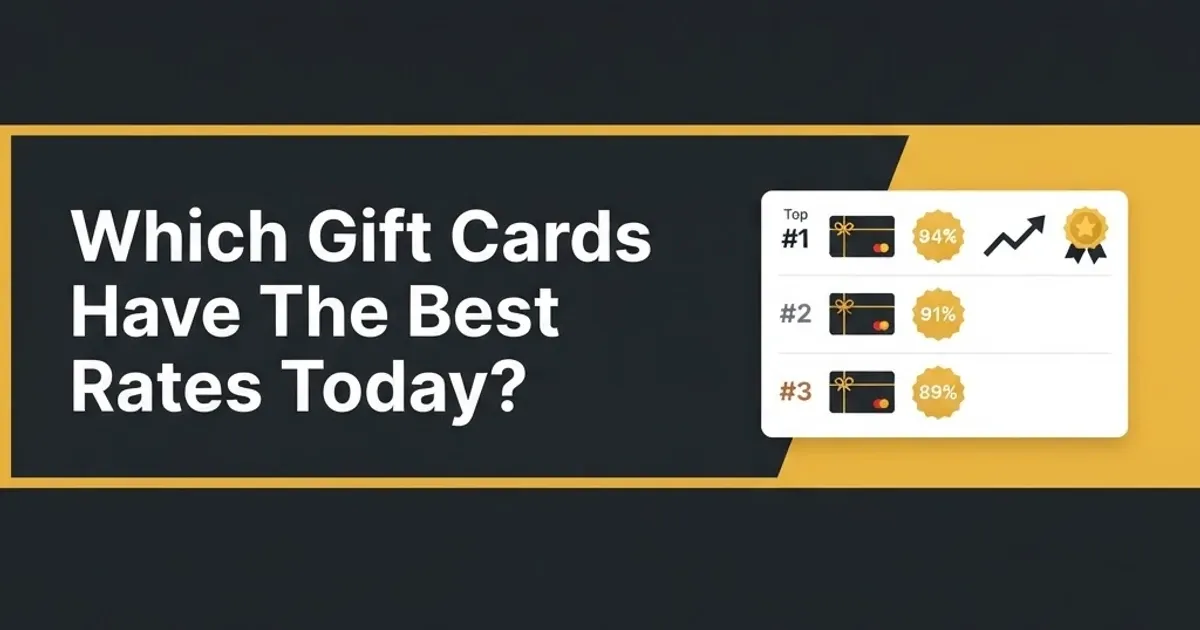
Which gift cards have the best rates today?
2 months ago
If you have a gift card and want to exchange it for Naira, one of the first questions you may ask is, "Which gift cards have the best rates today?" It is a reasonable question because the rate you receive can make a noticeable difference in the amount you get from your card. However, there is no permanent list of gift cards that always pay the highest rate. Gift card rates change according to market demand, supply, currency movements, card type, denomination, and other trading conditions. This means the gift card with the best rate today may not hold the same position tomorrow. A card that offered a strong rate last week may have a different value when you are ready to sell. That is why I always recommend checking the current rate before starting a transaction rather than relying on an old rate list, screenshot, or message from another seller. In this guide, I will explain which types of gift cards can attract strong rates, why their values change, what determines the rate you receive, and how you can check the current value of your card before selling. I will also explain how **[GCBUYING](https://gcbuying.com/)** can help you find current rates and sell eligible gift cards through a structured trading process. ## Which Gift Cards Have the Best Rates Today? There is no single gift card that can be guaranteed to have the best rate every day. Gift card rates change according to demand, supply, currency, denomination, card type, and current market conditions. Popular brands such as Apple, Amazon, Steam, Google Play, and Visa may attract strong demand, but their actual exchange rates can change from one day to another. The best rate for you depends on the exact gift card you have, including its currency, denomination, and format. If I want to know which gift card has the best rate today, I would check the current rates immediately before selling rather than depending on an old price list. At GCBUYING, you can check the latest available rate for eligible gift cards before submitting your transaction. ## What Determines Which Gift Cards Pay the Best Rates? Gift card rates are influenced by several factors, so the card with the highest rate today may not have the highest rate tomorrow. When I sell a gift card, I look beyond the brand name and consider the card's currency, denomination, type, and current market demand. These details can make a meaningful difference in the amount I receive. - Buyer Demand - Market Supply - Card Currency - Gift Card Brand - Denomination - Country of Issue - Physical Card Versus E-Code - Current Market Conditions The best gift card rate depends on more than the brand printed on the card. Buyer demand, market supply, currency, denomination, country of issue, card format, and current market conditions all contribute to the rate you may receive. By checking these details and reviewing the latest available rate on GCBUYING before selling, you can make a more informed decision about your gift card transaction. ## Popular Gift Cards That Often Attract Strong Market Demand Some gift card brands tend to receive strong attention in the trading market because they are widely recognized and have large international user bases. However, strong demand does not mean that a particular gift card will always have the highest rate. The rate can change according to supply, currency, denomination, card type, and current market conditions. ### 1. Apple Gift Cards Apple Gift Cards are widely used for Apple products, applications, subscriptions, games, music, and other digital services. Their broad usefulness can create steady demand in the gift card market. I may see Apple Gift Cards receiving competitive rates at certain times, but I would still check the current rate before selling. ### 2. Amazon Gift Cards Amazon Gift Cards are another popular category because Amazon operates a large international marketplace and offers a wide variety of products and services. This broad usefulness can support demand for certain Amazon Gift Cards in the trading market. However, Amazon Gift Cards are issued for specific regions, and their usability depends on the relevant Amazon marketplace. When I am selling one, I make sure I know the currency and country associated with the card before checking its current rate. This helps me avoid comparing different card categories as though they were identical. ### 3. Steam Gift Cards Steam Gift Cards are commonly used by gamers to purchase games, downloadable content, software, and other items available through Steam. Their connection to the gaming market gives them a distinct source of demand. The rate for a Steam Gift Card can still change depending on its currency, denomination, region, and current market demand. ### 4. Google Play Gift Cards Google Play Gift Cards are used for applications, games, entertainment, subscriptions, and other digital purchases within supported markets. Their broad digital use makes them another category that can attract regular interest. Even so, the value of a Google Play Gift Card depends on more than its brand. Currency, issuing region, denomination, card format, and current supply and demand all matter. I check these details before deciding whether to proceed with a sale. ### 5. Visa and Mastercard Gift Cards Visa and Mastercard prepaid gift cards can also attract demand because they can be used for eligible purchases wherever the relevant card network is accepted. Their flexibility can make them appealing to buyers and traders. The exact terms and usability of these cards can vary, so I do not assume that every Visa or Mastercard gift card will receive the same rate. I check the card's specific type, currency, region, and eligibility before starting a transaction. ### 6. Check Current Rates Before Selling If I have several gift cards available, I can compare their current rates before deciding which one to sell. GCBUYING provides a place to check available rates for eligible gift cards and review the applicable trading information before submitting a transaction. Apple, Amazon, Steam, Google Play, Visa, and Mastercard gift cards can all attract meaningful market demand, but there is no guarantee that one brand will have the highest rate every day. I always consider the exact card, currency, denomination, region, and format before selling. Checking the latest available rate on GCBUYING gives me a more accurate basis for deciding which eligible gift card offers the most suitable value at the time of my transaction. ## Why Gift Card Rates Change from Day to Day If you check gift card rates regularly, you may notice that the value of a particular card can change from one day to another. This can sometimes be confusing, especially when you sold the same type of card previously at a different rate. The reason is that gift card pricing responds to current market conditions. Several factors can change quickly, causing rates to move in either direction. Gift card rates change from day to day because supply, demand, currency movements, seasonal trends, international market activity, buyer requirements, and trading volume are constantly changing. Instead of trying to predict the market based on old information, I check the latest available rate when I am ready to sell. GCBUYING gives me a convenient place to review current rates for eligible gift cards and make a decision based on the market conditions available at that time. ## How GCBUYING Helps You Find Competitive Gift Card Rates When I want to sell a gift card, I need more than a rate that looks attractive at first glance. I want to know that the rate applies to my exact card and that I can complete the transaction through a clear and reliable process. This is where GCBUYING can make the experience easier. Instead of depending on old rate lists or information shared by other traders, I can check the current available rate for my eligible gift card before submitting it. - Current Rate Checking - Different Gift Card Categories - Structured Verification - Secure Transaction Process - Customer Support Finding a competitive gift card rate starts with using current information and understanding the exact card I have. GCBUYING gives me a place to check available rates for eligible gift cards and complete the transaction through a structured verification and support process. By checking the rate immediately before selling and providing accurate card information, I can make a more informed decision about my gift card trade. ## Final Thoughts There is no single gift card that always has the best rate. The highest available rate can change because of market demand, supply, currency movements, denomination, card type, issuing region, and other trading conditions. Apple, Amazon, Steam, Google Play, Visa, and other popular gift cards may attract strong demand, but the rate for each one can change from day to day. When I want to sell a gift card, I check the current rate for my exact card instead of relying on old screenshots, social media posts, or rates from previous transactions. I also confirm the card's currency, denomination, and format before submitting it. GCBUYING gives me a convenient place to check available rates for eligible gift cards and complete the trading process through structured verification and official support. By checking the current rate immediately before selling, I can make a more informed decision and understand the value available for my gift card at that time.
Why Gift Card Rates Rise and Fall
2 months ago
If you have traded gift cards before, you have probably noticed that the value of the same gift card is not always the same. One day the exchange rate may be higher, while the next day it may be lower. This often leads people to ask, "Why do gift card rates rise and fall?" The answer is simple. Gift card rates are determined by changing market conditions rather than fixed prices. Just like many financial and digital markets, the gift card market responds to supply, demand, currency movements, and buyer activity. Because rates are constantly changing, checking the current market value before selling your gift card is always a smart decision. Relying on an old screenshot, yesterday's price list, or information from unofficial sources can result in inaccurate expectations. The market may have already changed by the time you decide to trade. In this guide, I will explain the main reasons gift card rates increase and decrease, the factors that influence gift card values, why different brands have different exchange rates, and how you can improve your chances of getting a competitive rate. I will also show you how **[GCBUYING](https://gcbuying.com/)** helps you check live gift card rates and sell eligible gift cards through a secure and structured trading process. ## Why Do Gift Card Rates Rise and Fall? Gift card rates rise and fall because they are influenced by changing market conditions rather than fixed pricing. The value of a gift card depends on several factors, including buyer demand, the number of available cards in the market, exchange rate movements, the gift card brand, its currency, and overall trading activity. As these factors change throughout the day, the exchange value of eligible gift cards may also increase or decrease. This is why the same gift card may have a different rate today than it had yesterday. At GCBUYING, you can view live rates for eligible gift cards before submitting your transaction. This allows you to understand your gift card's current market value and choose the right time to complete your trade. ## The Biggest Factors That Affect Gift Card Rates Gift card exchange rates are influenced by several market forces that change throughout the day. Understanding these factors helps you see why rates increase or decrease and why the same gift card may have a different value from one day to the next. Here are the biggest factors that affect gift card rates. 1. **Market Demand** Market demand is one of the most important factors affecting gift card rates. When more buyers are looking for a specific gift card, its value in the market often becomes more competitive. For example, if Apple or Amazon Gift Cards are in high demand, the exchange rate for eligible cards may improve. However, when buyer interest declines, rates may also adjust. Because demand changes frequently, it is always a good idea to check the latest rate before deciding to sell your gift card. 2. **Market Supply** Supply refers to the number of gift cards available for sale at a particular time. When many people are selling the same gift card brand, the increased availability can influence market pricing. On the other hand, when fewer eligible gift cards are available, buyers may compete more actively for them, which can affect exchange values. The balance between supply and demand is one of the main reasons gift card rates change regularly throughout the market. 3. **Foreign Exchange Movements** Many gift cards are issued in international currencies such as US Dollars, British Pounds, Canadian Dollars, Euros, and Australian Dollars. Changes in foreign exchange markets can influence how these gift cards are valued when exchanged for Naira. Even if nothing changes about the gift card itself, fluctuations in currency markets can affect its exchange value. This is why international economic conditions often have an indirect impact on gift card rates in Nigeria. 4. **Gift Card Brand Popularity** Not every gift card enjoys the same level of demand. Popular brands such as Apple, Amazon, Steam, Google Play, Visa, and Mastercard often have different market values because people use them for different purposes. Some brands are consistently in higher demand due to their wider acceptance or stronger global customer base. As consumer preferences change, the popularity of certain gift cards may increase or decrease, leading to corresponding changes in exchange rates. 5. **Card Currency** The currency attached to your gift card can significantly influence its exchange rate. For example, a USD Apple Gift Card may receive a different market value than a GBP or EUR Apple Gift Card, even if the face value is similar. This happens because buyer demand varies across different currencies and regions. Before selling your gift card, always confirm its issuing currency and check the current rate for that specific version instead of assuming all cards have the same value. At GCBUYING, you can check the latest available rates for eligible gift cards before selling, allowing you to make informed decisions based on current market conditions and maximize the value of your transaction. ## How Supply and Demand Influence Gift Card Prices Supply and demand are the foundation of the gift card market. They influence how gift cards are valued and explain why rates can change from one day to the next. When you understand how these two market forces work together, it becomes much easier to recognize why your gift card may be worth more or less at different times. Supply and demand work together to shape gift card prices every day. Higher buyer demand, increased seller activity, seasonal trends, brand popularity, regional preferences, and daily market movement all contribute to changing exchange rates. At GCBUYING, you can check live rates for eligible gift cards before completing your transaction, helping you make informed decisions based on current market conditions rather than outdated pricing. ## Common Mistakes People Make When Following Gift Card Rates Many people focus only on finding the highest possible rate, but they overlook the factors that actually affect successful gift card trading. Small mistakes can lead to unrealistic expectations, unnecessary delays, or poor trading decisions. Avoiding these common errors can help you make better decisions and improve your overall trading experience. - Relying on old rate screenshots - Ignoring live market updates - Selling without comparing current rates - Waiting too long based on rumors - Believing unofficial social media prices - Choosing unverified buyers - Ignoring platform updates and instructions Following gift card rates effectively is about more than finding the highest number. It also requires using current information, understanding market changes, avoiding unreliable sources, and choosing a trusted trading platform. At GCBUYING, you can check live rates for eligible gift cards and trade through a secure, structured process, helping you make informed decisions every time you sell. ## How GCBUYING Keeps Rates Competitive At GCBUYING, the goal is to provide a reliable trading experience by keeping gift card rates aligned with current market conditions. Since the gift card market changes throughout the day, rates are reviewed and updated regularly to reflect the latest trends. This allows you to make informed decisions based on current market values rather than outdated information. 1. **Live Market Monitoring** Gift card rates are influenced by supply, demand, currency movements, and overall trading activity. GCBUYING continuously monitors these market conditions to help ensure that the rates displayed reflect the latest available market environment for eligible gift cards. 2. **Regular Rate Updates** Instead of relying on fixed prices, GCBUYING updates rates as market conditions change. This means you can check the platform before every transaction to view the most current exchange value available for your eligible gift card. 3. **Transparent Trading Process** A transparent trading process helps you understand how your transaction progresses from submission to payment. You can review the current rate before submitting your gift card, allowing you to decide whether you want to proceed based on the available market value. 4. **Secure Verification** Every eligible gift card submitted through GCBUYING follows a structured verification process. This review helps confirm the submitted information and supports accurate, secure, and reliable gift card trading. 5. **Reliable Customer Support** If you have questions about current rates, your transaction, or the verification process, GCBUYING provides customer support through its official communication channels. Reliable support helps you stay informed throughout your trading experience. GCBUYING keeps gift card rates competitive by monitoring live market conditions, updating rates regularly, maintaining a transparent trading process, and providing secure verification and responsive customer support. By checking the latest rates before every transaction, you can make informed decisions and sell your eligible gift cards with greater confidence through a trusted platform. ## Final Thoughts Gift card rates rise and fall because the market is constantly changing. Factors such as buyer demand, available supply, exchange rate movements, card currency, brand popularity, and overall market conditions all influence the value of a gift card. Since these factors can change throughout the day, there is no permanent or fixed exchange rate for any gift card. That is why checking the current market rate before selling is always the best approach. At GCBUYING, you can view live rates for eligible gift cards, submit your transactions through a secure and structured verification process, and trade with confidence on a trusted platform. Instead of relying on outdated screenshots or unofficial sources, make it a habit to check the latest available rate every time you sell. Staying informed about current market conditions helps you make better trading decisions and ensures you understand the value of your eligible gift card before completing your transaction.